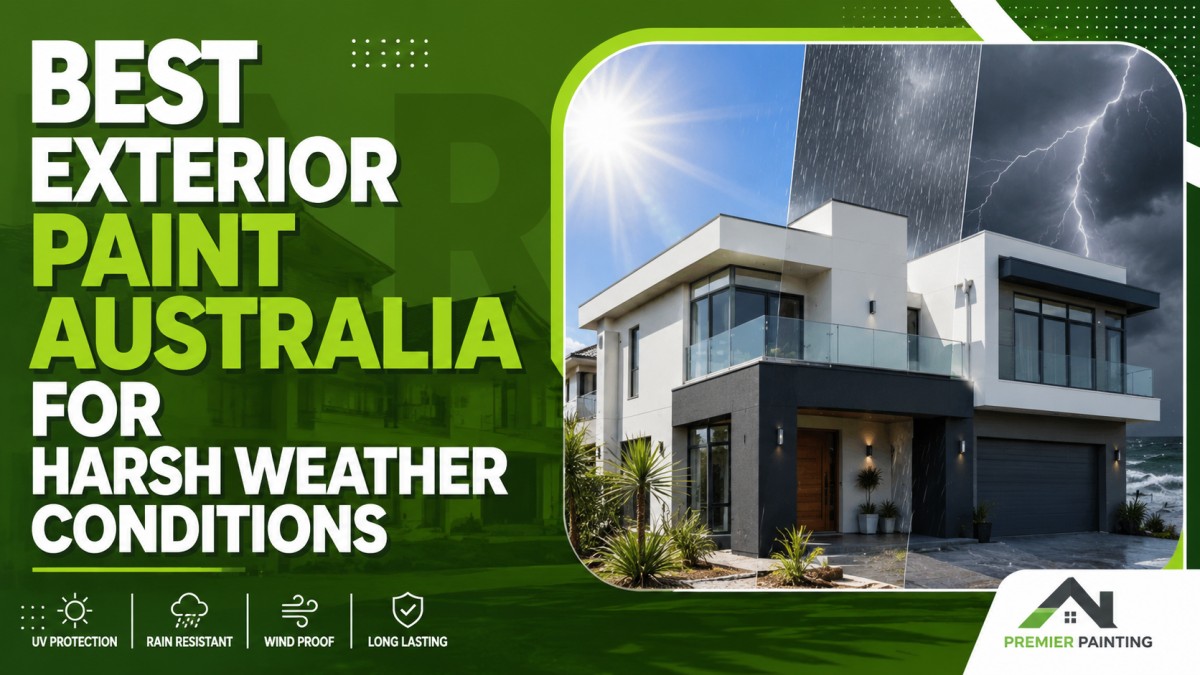
If you’ve ever watched a paint job fail within two or three years of finishing it, you already know the problem. Australian exteriors take a hammering that most imported paint formulas were never built for. Between relentless UV, sudden temperature swings, and in bayside or coastal suburbs a steady dose of salt air, a coating that performs fine in a milder climate can start chalking, cracking, or peeling here far sooner than the tin promised. Melbourne makes this even trickier, with hot dry summers, sharp cold snaps, and the occasional hailstorm or downpour that tests every layer of paint on your walls. This guide breaks down what actually makes exterior paint durable in these conditions, so you’re choosing based on performance rather than guesswork.
What Makes a Paint “Weather Resistant” in the Australian Climate?
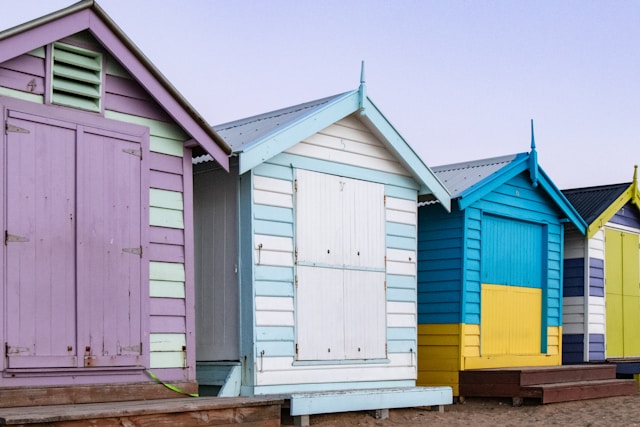
The best exterior paint Australia has to offer isn’t defined by a fancy label. It comes down to a handful of practical properties. UV stability matters most, since constant sun exposure is what causes chalking (that dusty residue on older paint jobs) and colour fading over time. Flexibility is just as important, because your home’s exterior expands and contracts with the heat of the day and the cold of the night, and a rigid paint film will eventually crack under that movement.
Water resistance needs to be balanced with breathability. A paint that seals out rain but traps moisture underneath will blister and lift, especially on render or masonry that naturally holds some dampness. Finally, mould and mildew resistance is worth checking for anywhere your home sits in shade for long stretches, such as south-facing walls or areas tucked under eaves, since these spots stay damp longer and are the first to show black spotting.
Best Exterior Paint Types for Heat and UV Exposure
For most Melbourne homes, 100% acrylic exterior paint is still the benchmark. It flexes with temperature changes, resists UV breakdown better than older oil-based formulas, and holds colour longer. On larger wall areas, a premium low-sheen or satin acrylic is usually the better call over gloss, since gloss finishes tend to highlight surface imperfections and show wear patterns more obviously on big flat sections like render or weatherboard.
If your home has walls that cop direct afternoon sun, particularly west-facing ones, heat-reflective paint technology is worth considering. These formulations use reflective pigments to bounce back more solar radiation than standard paint, which can reduce surface temperature noticeably and slow down the UV degradation that causes early fading and chalking.
Choosing Paint for Different Exterior Surfaces
Not every surface needs the same approach:
- Weatherboard and timber: needs a flexible acrylic that can move with the timber as it expands and contracts with moisture and heat, plus a proper primer on any bare or sanded-back sections.
- Render: benefits from a breathable acrylic that lets trapped moisture escape rather than blister the film.
- Brick: Often needs a sealer first if it’s porous, so the paint doesn’t soak straight in and leave patchy coverage.
- Exterior paint for concrete walls: this is where a lot of jobs go wrong. Concrete is porous and highly alkaline, especially when newer, so it needs an alkali-resistant primer or sealer before any topcoat goes on. Skip that step and you’ll likely see efflorescence (a white, salty bloom) pushing through the paint within the first year.
Premium vs Budget Exterior Paint: Is It Worth the Difference?
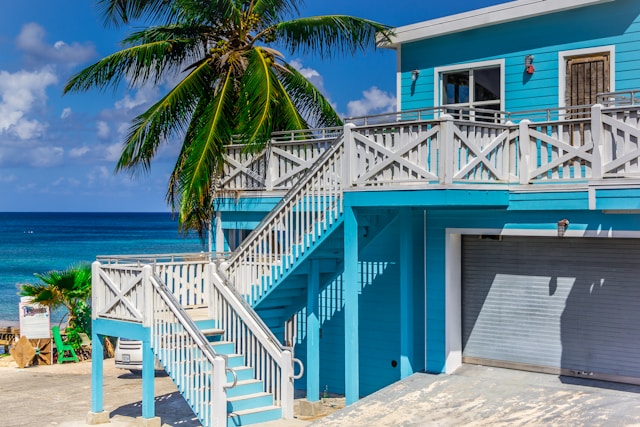
On paper, a cheaper trade paint and a premium exterior paint can look similar. In practice, the difference shows up in year three, not day one. Premium ranges are generally formulated with more UV resistant paint Australia-specific technology, better resin quality for flexibility, and higher-grade pigments that resist fading. They also tend to have better coverage rates, so you’re often using less product per square metre than the numbers on the tin suggest.
The fairer way to compare is cost-per-year-of-life rather than cost-per-litre. A premium paint that lasts 10 to 12 years and a budget paint that needs redoing every 5 to 6 years can end up costing roughly the same over a decade, except you’ve paid for labour and disruption twice instead of once.
Prep Work That Makes or Breaks Durability
Even the best exterior paint on the market will fail early if the surface underneath isn’t prepped properly. This is genuinely where long lasting exterior paint jobs are won or lost. A proper job includes pressure washing to remove dirt, mould, and chalking residue, scraping and sanding back any old flaking paint so the new coat has something solid to bond to, priming bare timber, render, or concrete, and filling cracks before anything goes on top. Paint applied over a poorly prepped surface might look fine for the first six months and then start lifting and peeling well before it should.
How Long Should Exterior Paint Last in Melbourne Conditions?
With good quality paint and proper prep, most exteriors in Melbourne should hold up for 10 to 15 years on weatherboard and render and slightly longer on brick where the paint isn’t doing as much structural flexing. West-facing and north-facing walls that cop the harshest sun will usually show wear first, sometimes 2 to 3 years earlier than shaded or south-facing sections. Deferred maintenance is the other big factor. Small issues like hairline cracks or early chalking, if left unaddressed, tend to accelerate rather than stay minor, so a quick touch-up every few years often adds several years to the overall lifespan of the job.
Frequently Asked Questions
What is the best exterior paint for Australian weather?
A 100% acrylic exterior paint with strong UV resistance and flexibility is your best all-rounder. Premium ranges formulated for local climates outperform standard or imported options, especially on sun-exposed walls.
Does heat resistant exterior paint actually make a difference in summer?
Yes. Heat-reflective paint lowers surface temperature by reflecting solar radiation, slowing UV breakdown and fading. It’s most noticeable on west-facing or north-facing walls that cop direct afternoon sun.
Can I use the same paint on concrete and timber exteriors?
Not directly. Concrete needs an alkali-resistant primer first since it’s porous and alkaline, while timber needs a flexible acrylic system that moves with seasonal expansion.
How often should exterior house paint be reapplied in Melbourne?
Most well-prepped, quality paint jobs last 10 to 15 years. Sun-exposed walls may need attention a few years earlier, though regular light maintenance extends this further.
Is premium exterior paint worth the extra cost?
Generally, yes. Premium paint lasts longer thanks to better UV resistance and flexibility, which usually makes it cheaper over a decade once you factor in labour for repainting twice as often.
Does exterior paint colour affect how long it lasts?
Yes. Darker colours absorb more heat and UV, which can speed up fading and chalking compared to lighter shades.
Do I need to repaint before selling my house?
Not always, but fresh exterior paint can lift kerb appeal and buyer perception significantly. If your current paint is chalking, peeling, or faded, it’s often worth the investment before listing.
Can exterior paint be applied in winter?
It can, provided temperatures stay above the paint manufacturer’s minimum (usually around 10°C) and surfaces are dry.
What’s the difference between low-sheen and gloss exterior paint?
Low-sheen and satin finishes hide surface imperfections better and suit larger wall areas, while gloss is more durable but shows flaws more easily.
Ready for a Professional Opinion?
Choosing the right exterior paint depends on your home’s surface, orientation, and exposure, and getting it wrong can cost you years of durability. A1 Premier Painting can assess your property and recommend the right paint system and prep approach for your specific home, rather than a one-size-fits-all guess. Get in touch for a free quote and see what will actually hold up on your walls.