
Most exterior paint jobs don’t fall apart because of bad paint. They fall apart because someone skipped a prep step, or picked a day with the wrong weather, or recoated before the first layer had properly cured. Melbourne doesn’t make this easy either. You can get four seasons in an afternoon, and that variability catches out a lot of DIY painters and even some painters who should know better. If you’re planning to paint exterior house walls yourself, or you just want to understand what a proper job actually involves, here’s the full process done right, from prep through to the paint you choose.
What You Need Before You Start
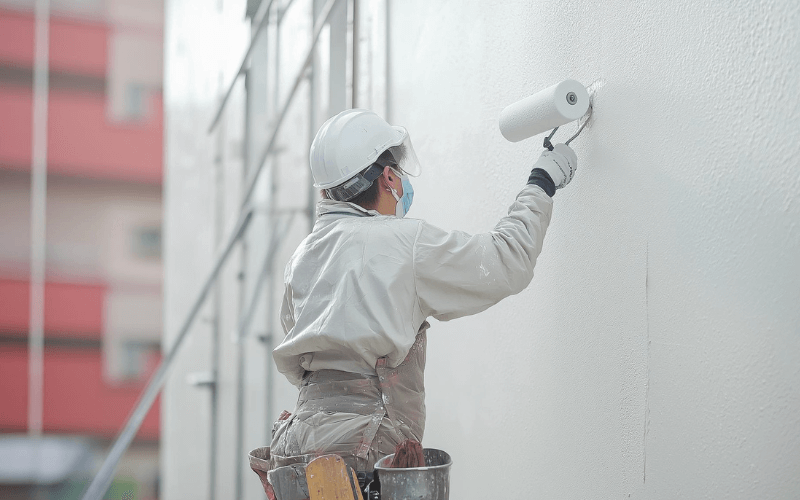
Before a brush touches the wall, the surface needs to be sound, clean, and dry. Skip this stage and no amount of good paint will save the finish.
Start with a pressure wash. This lifts off built up grime, cobwebs, mould, and loose dirt that would otherwise sit between the wall and your new paint film. Give the walls at least a full day to dry out afterwards, longer if it’s been humid or the sun hasn’t hit that side of the house.
Next, scrape back any loose or flaking paint. Anywhere the old coat is peeling, get it off with a scraper before you even think about sanding. Then sand the edges of the scraped areas so they blend into the surrounding surface rather than leaving a hard ridge that’ll show through the new coat.
Check for cracks and gaps, particularly around window frames, eaves, and where different wall materials meet. Fill these with an exterior-grade filler or flexible sealant, since gaps left open will let water in behind the paint film over time.
Finally, mask off anything you don’t want painted, windows, light fixtures, door frames, and lay drop sheets along garden beds and paths. It’s tedious work, but it’s the difference between a clean line and a weekend spent scraping paint off glass.
How to Paint Exterior House Walls Step by Step
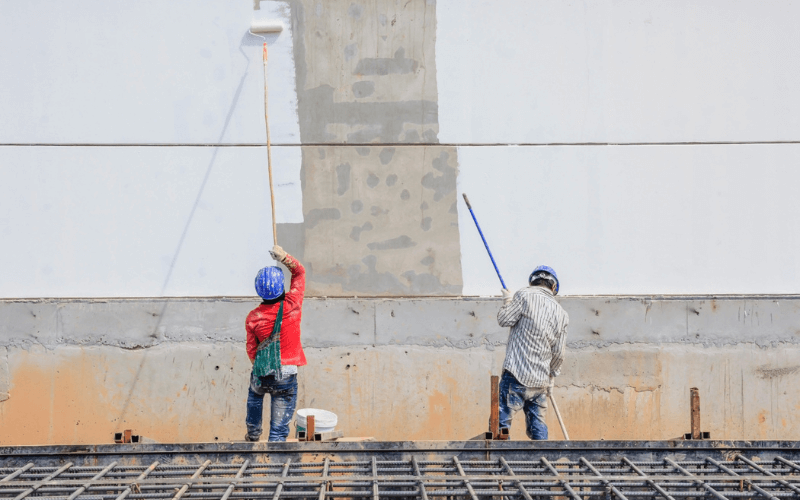
Once the wall is prepped, the actual painting is fairly straightforward if you work methodically.
- Cut in first. Use a quality angled brush to paint the edges, corners, and trim before you bring out the roller. This gives you clean lines around windows, eaves, and joins.
- Roll in manageable sections. Don’t try to cover an entire wall in one pass. Break it into sections roughly a metre or two wide and work top to bottom within each one.
- Keep a wet edge. Always roll back into the previous section while it’s still wet. This is what stops lap marks, those faint stripes that show up once the paint dries if you’ve let one section dry before starting the next.
- Work from the top down. Start at the highest point of the wall and move downward. This way any drips or runs get painted over as you go rather than sitting on a finished section.
- Let the first coat dry fully before recoating. Check the paint tin for recoat times, but as a general rule, give it at least four hours in decent weather, and longer if it’s cool or damp.
- Apply a second coat. Almost all exterior jobs need two coats for even coverage and proper durability. One coat will look fine from the footpath and then fade unevenly within a year.
The order matters as much as the technique. Rushing the drying time between coats is one of the most common ways a two-day job turns into a redo three months later.
Choosing the Best Exterior Paint for Australian Conditions
Not all exterior paint is built for what Melbourne throws at it. UV exposure here is genuinely harsher than in a lot of the world, and that alone will chalk and fade a cheap paint within a couple of years.
Look for paint specifically rated for exterior use with strong UV resistance. Most reputable Australian paint brands now list this clearly, and it’s worth paying the extra for a proper weather resistant exterior paint rather than going with whatever’s cheapest on the shelf.
Acrylic paints are generally the better choice for most homes here. They flex slightly with temperature changes, which matters given how much our walls expand and contract between a 15 degree morning and a 35 degree afternoon. Oil-based paints can still have their place, particularly on certain trims or metal surfaces, but for the main wall areas, acrylic is usually the more sensible option for both durability and ease of maintenance.
Whatever you choose, check the paint is rated for the specific surface you’re painting. Render, weatherboard, and brick all behave differently, and a paint designed for one won’t necessarily perform well on another.
How to Paint a Brick Exterior House (Different Rules Apply)
Brick is a different beast entirely, and treating it like any other wall is where a lot of people go wrong.
Brick is porous, which means it absorbs moisture and paints differently to render or weatherboard. If you paint over brick without addressing this, you can end up with efflorescence, that white, chalky residue that pushes through from salts and minerals inside the brick as moisture moves through it. Painting over efflorescence without treating it first is a guaranteed way to see the paint peel and bubble within a season.
Before painting brick, it needs to be properly cleaned and dried, and any existing efflorescence removed with a stiff brush or specialised cleaner. From there, a masonry sealer or primer designed for porous surfaces should go on first. This seals the surface, evens out how much paint the brick absorbs, and gives your topcoat something consistent to grip onto.
Only once that’s done should you apply your chosen exterior paint, and even then, brick often needs an extra coat compared to render or weatherboard simply because of how much the surface soaks up.
Common Mistakes That Ruin the Finish
A handful of mistakes account for the vast majority of failed exterior jobs.
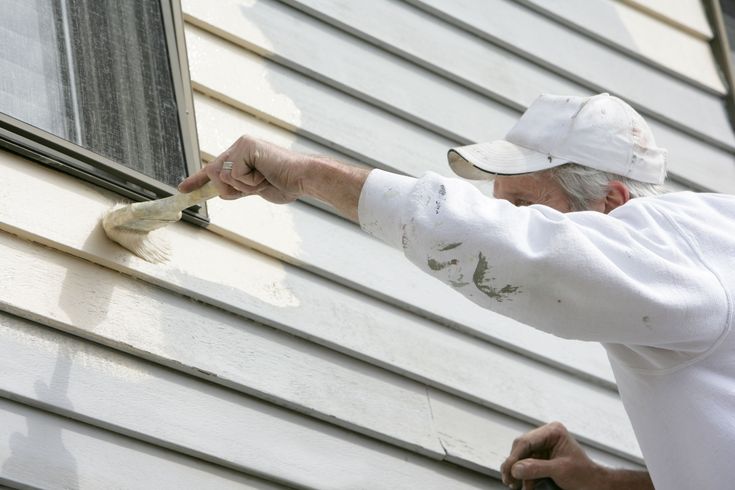
- Painting in direct, harsh sun. This causes the paint to dry too quickly on the surface while it’s still wet underneath, leading to cracking and poor adhesion. Aim for a mild, overcast day if you can, or at least paint in the shaded side of the house during the cooler parts of the day.
- Painting in high humidity. This is just as much of a problem, since it slows drying and can trap moisture under the paint film. Check the forecast, not just for the day you’re painting but the day after, since rain on a still-curing coat can undo hours of work.
- Skipping primer on bare or heavily patched surfaces. This is another common shortcut that catches up with people. Primer isn’t optional on new surfaces or repaired areas, it’s what gives the topcoat something even to bond to.
- Recoating too soon. Moving on before the first layer has properly cured, rather than just feeling dry to the touch, is a quiet cause of premature peeling.
- Using cheap rollers and brushes. These leave textured marks and shed bristles into the wet paint, which is a frustrating way to lose hours of otherwise careful work.
- Ignoring the weather mid-job. This is a mistake even careful painters make. If conditions change partway through, it’s better to stop at a natural break point than push through and paint over a surface that’s picking up moisture or drying unevenly.
DIY vs Hiring Exterior House Painters Near Me
DIY exterior painting can absolutely work, provided the house is single storey, access is straightforward, and the existing paint is in reasonable condition without extensive prep needed. If that describes your situation and you’ve got a free weekend or two, doing it yourself is a realistic option.
Where it gets harder is anything involving height, awkward access, or significant surface repair. Two storey walls, steep rooflines, or extensive scraping and patching change the job considerably, both in terms of time and safety.
This is where affordable exterior house painting through a professional team tends to make more sense than it first appears. A professional crew brings proper scaffolding or ladders rated for the job, works faster because they’ve done this hundreds of times, and carries the prep knowledge to catch issues like efflorescence or rot before they become expensive problems. When you factor in your own time, the cost of tools and materials you’d need to buy anyway, and the risk of a redo if something’s missed, the gap between DIY and hiring exterior house painters near me is often smaller than people expect.
If your job involves a single storey with easy access, DIY is a fair call. If it involves height, extensive repair, or a level of finish you can’t easily undo, it’s worth getting a quote before you start.
FAQs
What’s the best time of year to paint a house exterior in Melbourne? Spring and autumn tend to offer the most reliable conditions, with mild temperatures and lower humidity. Summer can work if you paint early or late in the day to avoid direct heat, while winter’s shorter drying windows and higher rainfall make it the trickiest season to plan around.
How many coats of paint does an exterior wall need? Most exterior walls need two coats for even coverage and proper durability. A single coat might look fine initially but tends to fade unevenly and offer weaker protection against Melbourne’s weather within a year or two.
Can I paint over old exterior paint without stripping it? Yes, as long as the existing paint is sound and not flaking or peeling. Any loose or damaged paint needs to be scraped and sanded back first, since painting over it will just trap the problem underneath your new coat.
How long does exterior house paint take to dry? Most exterior paints are touch dry within a few hours, but full curing can take several days depending on temperature and humidity. Recoating too early, before the paint has properly cured rather than just dried on the surface, is a common cause of early failure.
Do I need to prime bare brick before painting? Yes. Brick is porous and absorbs paint unevenly without a primer or masonry sealer first. Skipping this step often leads to patchy coverage and issues like efflorescence pushing through the topcoat later on.
Is it cheaper to paint my house exterior myself? It can be, particularly for single storey homes in good condition with straightforward access. Once you factor in height, extensive prep, or the risk of redoing a rushed job, the cost gap between DIY and hiring professionals often narrows more than people expect.
If your exterior needs more than a straightforward repaint, or you’d rather not risk a redo from a rushed weekend job, get in touch with A1 Premier Painting for a free quote. We’ll assess the surface and the prep needed and give you an honest read on what the job actually involves before any paint goes on the wall.