Introduction
Most homeowners do not wake up and decide their house needs a full renovation. What usually happens is smaller than that. A living room starts to look flat under the afternoon light, a hallway picks up scuff marks near the switches, or a bedroom that once felt calm now feels tired. This is the point where home interior painting becomes worth thinking about, well before anyone starts pricing up a renovation.
In Melbourne, home interior painting choices rarely come down to picking a colour off a swatch card. Natural light, room size, flooring and furniture all affect how a colour reads once it covers four walls, and architectural style matters too, since a Victorian terrace with high ceilings takes colour differently to a newer home with large windows.
Below are ten practical home interior painting ideas to consider before starting a project, along with a look at cost, timing and choosing the right team.
1. Start With a Light, Neutral Colour Scheme
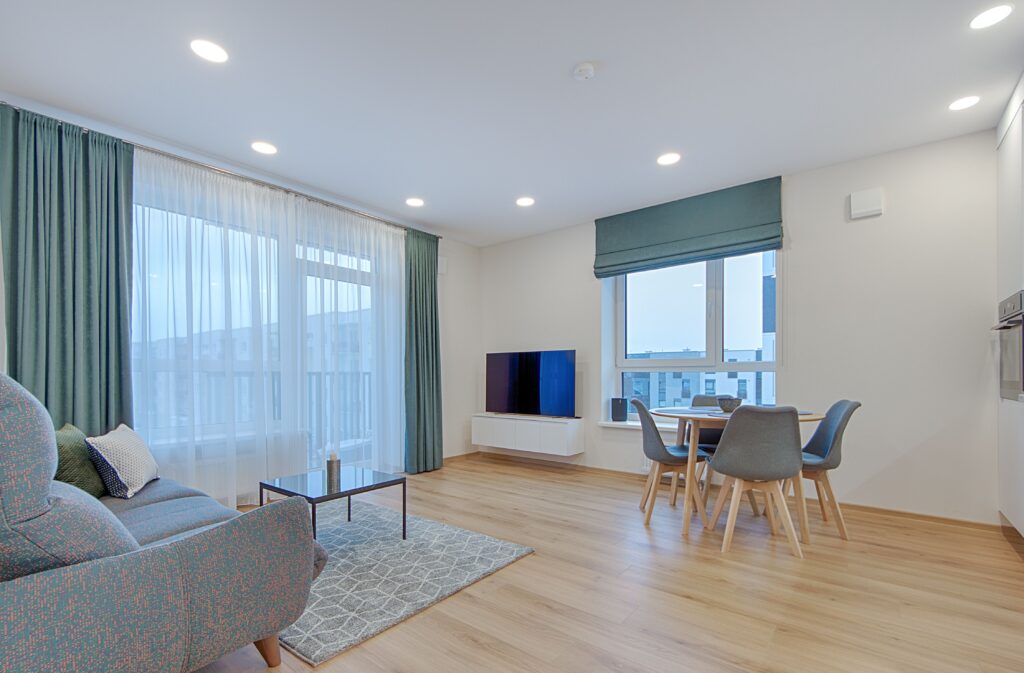
Neutral colours remain popular in Melbourne home interior painting for good reason. Warm white, soft beige, light grey, off white and muted greige all adapt well, sitting behind timber furniture, leather sofas and patterned rugs without competing for attention.
Lighter tones also do practical work, bouncing available light around a room and making a compact apartment or narrow terrace hallway feel more open. This is why interior wall painting in smaller Melbourne homes often starts with lighter neutrals, since good interior wall painting at this stage sets the tone for the rest of the home.
2. Create a Feature Wall
A feature wall is one of the simplest ways to bring personality into a home interior painting project without covering an entire room in a strong colour.
Good locations include behind the bed, behind the television, along a dining wall, around a fireplace, or in an entryway. The colour should work with existing furniture and flooring rather than being picked in isolation, and suits homeowners who want a noticeable change without a full colour overhaul.
3. Use Different Colours to Define Open Spaces
Open plan living is common across newer Melbourne homes, but kitchen, dining and living areas can blend together without any real separation, and paint solves that without touching a single wall.
A slightly different, complementary colour for a kitchen compared to an adjoining dining area, or a living zone compared to a study corner, creates definition that one continuous colour cannot. This kind of house painting interior planning gives each zone its own identity, and it is an underrated home interior painting idea.
4. Give the Bedroom a Calmer Colour
Bedrooms benefit from softer tones rather than anything bold or energetic. Warm neutrals, muted greens, soft blues, dusty pinks and warm greys are reliable choices for a room that needs to feel restful, and this is often where a home interior painting job makes the biggest difference to daily comfort.
The right colour should work with bedding, curtains, flooring and natural light, which is why a shade that looks perfect on a chip can feel different in a north facing bedroom.
5. Make Small Rooms Feel Larger With Paint
Paint does real work in a small hallway, a compact spare bedroom or a tight living area. Lighter wall colours are the obvious starting point, and carrying a similar colour from one small room into the next helps a home feel larger.
Painting the ceiling in a suitable light tone, rather than stark white against a coloured wall, softens a low ceiling. Avoiding too many competing colours and using natural light well does more for a compact room than any single trick.
6. Use Dark Colours in the Right Places
Dark colours have a reputation for making rooms feel smaller, but that is not automatically true within a well planned home interior painting scheme. Deeper shades add real depth in a study, a well lit dining room, a media room or a large bedroom, provided room size and natural light are weighed up before committing to the shade.
7. Choose Paint Finishes Based on the Room
Colour is only half the decision in any home interior painting job. Finish matters too: bedrooms and living rooms suit a flatter finish that hides minor wall imperfections, while hallways need something tougher, since they take more knocks than most other parts of the house.
Kitchens and bathrooms need finishes that handle moisture and cleaning, and doors and trims are usually painted in a more durable sheen than surrounding walls. High traffic areas benefit from a washable finish, a detail often overlooked during repainting house interior projects.
8. Refresh Older Melbourne Homes With Fresh Paint
Melbourne has no shortage of older homes with real character, from Victorian terraces to Edwardian and California bungalow style properties, and a fresh coat of paint makes these homes feel cleaner without stripping away their charm.
Older Melbourne homes often come with timber trims, decorative cornices, older plaster walls and high ceilings, needing extra care during preparation, typically including:
- Cleaning surfaces before painting begins
- Filling holes and cracks left by old fixtures
- Sanding rough or uneven areas back smooth
- Repairing cracks in older plaster where needed
- Priming surfaces where required
- Applying the correct number of coats for lasting coverage
Skipping these steps rarely ends well on an older home, since imperfections show through a rushed job far more than on newer plasterboard.
9. Choose Colours That Work With Your Existing Furniture
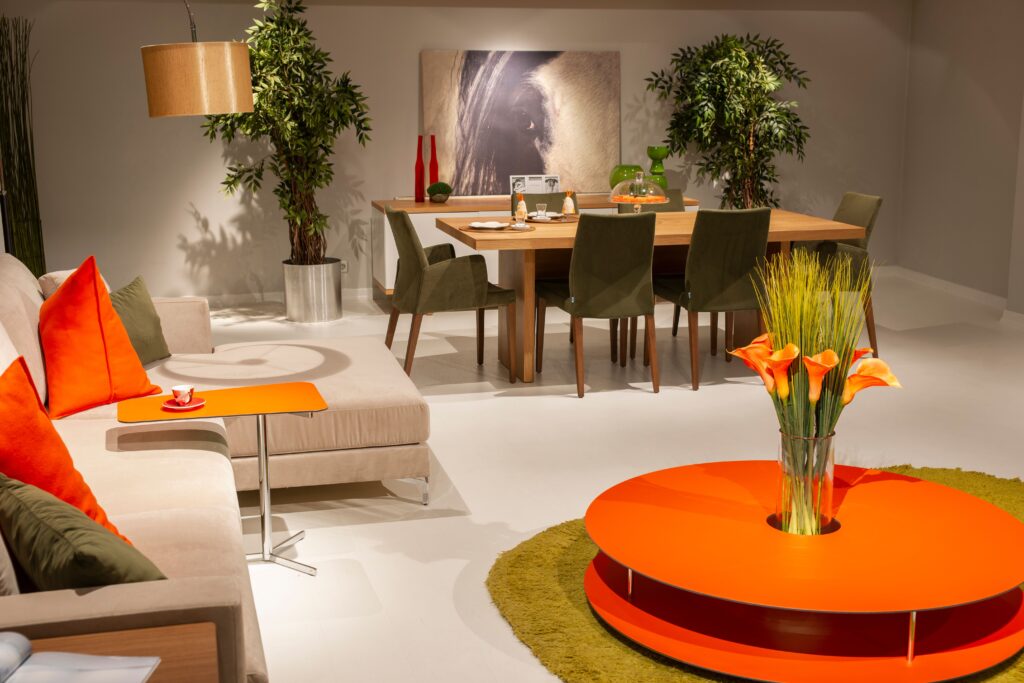
Choosing a wall colour on its own, without considering what already sits inside the room, is a common mistake in a home interior painting project. Flooring, curtains, sofas, cabinetry, artwork and lighting all interact with a wall colour once applied.
The same grey can look cool under bright morning light, then shift warmer once evening lamps switch on. Testing a sample in the actual room, at different times of day, gives a far more accurate picture than a small chip under shop lighting.
10. Plan Your Interior Painting Budget Before Starting
Interior paint cost varies from one home interior painting project to the next, and rarely comes down to a flat rate per room. Rooms, wall condition, ceiling height, preparation, coats, paint quality and whether doors and trims are included all play a part.
Affordable interior painting does not have to mean choosing whichever quote is cheapest. Skipping preparation or using lower quality materials can lead to paintwork needing redoing sooner, which usually costs more over time.
How Much Does Interior Painting Cost in Melbourne?
The final cost depends heavily on the size of the property, wall condition, preparation requirements and the number of rooms being painted. There is no single figure for every home, since a small unit and a large family house sit at very different points on the scale.
Interior paint cost is also shaped by scope. A three bedroom home might involve walls only, or extend to ceilings, doors, skirting boards, architraves and repairs. The cost of painting 3 bedroom house work sits higher once ceilings and full preparation are included, since the cost of painting 3 bedroom house depends so heavily on condition and scope. An accurate figure usually needs an in person assessment rather than a generic online average.
When Should You Repaint Your House Interior?
Most homes give clear signals when it is time to repaint: peeling paint, visible scuff marks, faded colour, stains, patched areas, cracks, outdated colours, uneven sheen and rooms that simply look dull.
Repainting house interior work does not have to happen all at once. Many homeowners prioritise high traffic areas first, followed by living areas, bedrooms, hallways and other rooms as budget allows, spreading the cost of a home interior painting project over time.
How to Choose the Right Interior Painting Company in Melbourne
Choosing a home interior painting company on price alone can be misleading, since two quotes for the same job can vary widely in what is included. Before agreeing to any quote, it is worth asking:
- What preparation is included?
- How many coats are included?
- What paint will be used?
- Are minor wall repairs included?
- Are ceilings and trims included?
- Is furniture protection included?
- How long will the project take?
- Is the quote written and itemised?
A written, itemised quote makes it easier to compare like with like, and reveals which quotes for house painting interior work are genuinely competitive.
FAQs
What is the best colour for home interior painting?
There is no single universal answer, since the best colour depends on natural light, room size, existing furniture and personal taste. Warm neutrals and soft whites are versatile choices, though a colour suited to a bright living room might not suit a darker bedroom.
How much does interior painting cost in Melbourne?
Costs for a home interior painting job depend on property size, number of rooms, preparation, paint type, whether ceilings and trims are included, and wall condition. A generic online average rarely reflects an individual home, so a site inspection gives a more reliable figure.
How much does it cost to paint a 3 bedroom house?
This depends on whether the job covers walls only or also extends to ceilings, doors, trims and repairs. Layout and wall condition can shift the final price, so two three bedroom homes can end up with different quotes.
How often should you repaint a house interior?
This depends on room usage, the quality of the original paint job, household activity and wall condition. High traffic areas such as hallways often need attention sooner than quieter spaces like spare bedrooms.
What is the best paint finish for interior walls?
Different finishes suit different rooms. Flatter finishes work well in bedrooms and living areas, while washable, durable finishes suit hallways, kitchens and other high use spaces needing regular cleaning.
Is affordable interior painting worth it?
Homeowners can manage costs by prioritising key rooms, choosing practical colours and avoiding unnecessary extras. Cutting corners on preparation or unsuitable materials to save money can create problems that cost more to fix later.
Should I paint my walls and ceilings the same colour?
Matching walls and ceilings can create a calm looking space, particularly in smaller rooms. A lighter shade on the ceiling can instead help define the room and make ceiling height feel more generous.
How do I prepare my house for interior painting?
Preparation for a home interior painting job generally involves moving or covering furniture, removing wall decorations, clearing access to each room, and discussing repairs or problem areas with the painting team before work begins.
Ready to Refresh Your Home’s Interior?
A well chosen colour scheme, the right finishes and proper preparation can make a genuine difference to how a Melbourne home feels day to day, often without structural changes. Whether it is one feature wall or a full home interior painting project across every room, planning properly from the start saves time and frustration later on.
Planning your next home interior painting project? Contact A1premierpainting to discuss your rooms, colour choices and home interior painting requirements, and request a quote based on the actual size and condition of your Melbourne property.