Introduction
The wall looks dry, so you pick the roller back up. Within a minute, the first coat is dragging, lifting and leaving streaks. It happens in Melbourne homes and workplaces all the time, because paint that feels dry is not always ready for another layer. So, how long does paint take to dry?
The answer depends on the product, the surface and the weather. This guide explains touch-dry, recoat and cure times, gives realistic ranges for common jobs, and shows how Melbourne conditions change the timeline.
How Long Does Paint Take to Dry? Dry vs Cure Explained
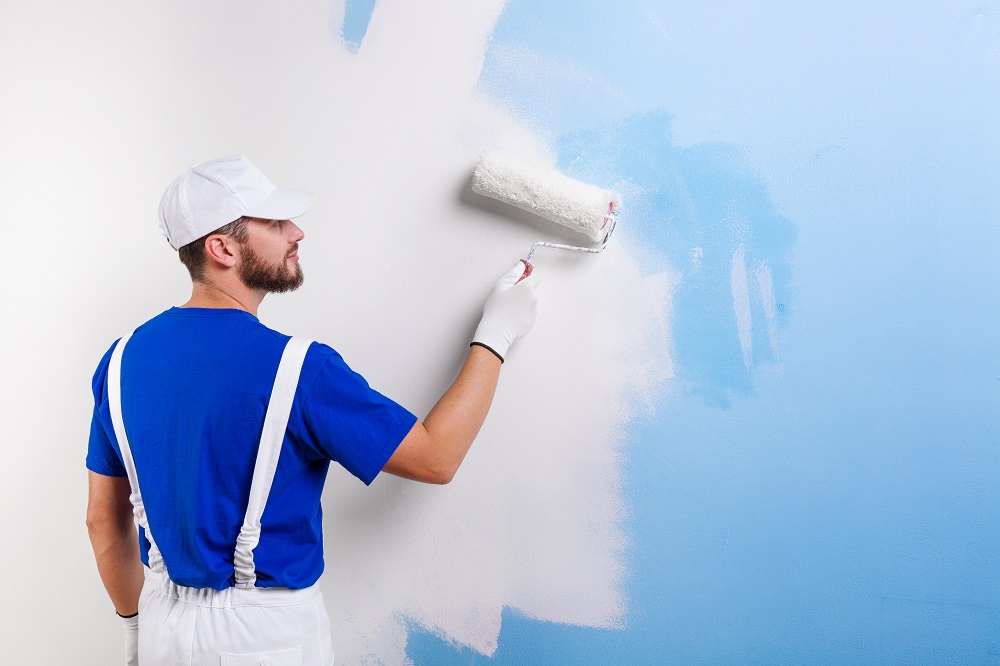
The question “How long does paint take to dry?” has three possible answers, because paint passes through three stages.
- Touch dry: the surface no longer feels wet or tacky when lightly touched.
- Recoat time: the shortest wait before the next coat can go on without disturbing the first.
- Cure time: the time the film needs to harden fully and resist scuffs, scrubbing and weight.
The gaps between these stages are wide. A water-based wall paint can feel dry within an hour or two and keep hardening for days or even weeks. The table below shows typical ranges. Treat them as a guide only, because each product’s data sheet has the final say.
| Paint type | Touch dry | Recoat | Full cure |
| Water-based acrylic (walls, ceilings) | 1–2 hours | 2–4 hours | Several days to a few weeks |
| Water-based enamel (doors, trim) | 30 minutes–1 hour | About 2–4 hours | Several days to a few weeks |
| Water-based primer or undercoat | About 1 hour | 2 hours or more | Follows the topcoat |
| Oil-based (solvent) enamel | 6–8 hours | Around 24 hours | A week or more |
A reply on the Bunnings Workshop forum makes the same point: recoat times come from the manufacturer’s data sheet, and ignoring them risks early paint failure. Quick-drying water-based enamels sit at the fast end. Dulux Aquanamel, for example, is listed as touch-dry in 30 minutes and ready to recoat in two hours.
How Long Does Interior Paint Take to Dry?
Inside, most rooms are painted with water-based acrylics.
Walls and Ceilings
The answer to “How long for wall paint to dry?” is roughly one to two hours to the touch for most water-based paints, with a second coat commonly allowed after two to four hours. Cool, damp or poorly ventilated rooms push those times out, and so do heavy coats. Two thin, even coats dry faster and look better than one thick coat. Ceilings follow the same rules, so do not cut the recoat time short just because the surface looks matt. If you are planning overhead work, our guide to ceiling painting in Melbourne covers what to check before you hire a painter.
Doors, Skirting and Trim
Enamels on doors, skirting boards and window frames take longer to harden than wall paint, even when the tin says fast-drying. Gloss and semi-gloss finishes generally stay soft for longer. Close a door too early and it can stick to its frame. Fingerprints on trim are the classic sign that the wait was underestimated. Leave doors open until the paint firms up, and handle them gently for several days. Our interior painting team can explain which products suit which rooms.
How Long Does Exterior Paint Take to Dry?
Outdoors, the answer to “how long does paint take to dry?” depends as much on the sky as on the tin. Exterior acrylics often become touch-dry within a few hours, but humidity slows evaporation. A coat that dries quickly on a dry day can take far longer on a damp one.
Melbourne’s Changeable Weather
Melbourne’s “four seasons in one day” reputation is a planning challenge for painters. A bright morning can turn into a showery afternoon, and cool evenings bring dew that settles on fresh paint before it has firmed up. At the other extreme, a hot, southerly summer can skin the surface before the layer underneath has dried, which risks blistering and visible lap marks. Careful painters check the forecast, follow the sun around the house, and stop early enough for each coat to dry before the evening damp arrives.
Fences, Weatherboards and Render
Porous timber tends to soak up paint quickly, while render and previously painted surfaces vary with how well they have been prepared. One rule applies to all of them: follow the recoat interval, because skipping it is how peeling starts. Our exterior painting and fence painting pages explain how we approach each surface.
Roof Paint Drying Time
Roof paint drying time depends heavily on the coating system. Primers, sealers and topcoats each have their own intervals, and on a sunny day a roof can run much hotter than the surrounding air, which affects how the film forms. Rain on a half-dry roof coating can ruin it, so the data sheet’s temperature range and rain-free window matter more here than anywhere else on the property. If a roof coating is on your list, confirm the exact system and timings with whoever is applying it.
How Long Does Concrete Paint Take to Dry?
There are two clocks to watch. First, new concrete needs to cure and release moisture before it is painted, and data sheets often specify a wait of several weeks. Second, the paint has its own touch-dry, recoat and cure times. Foot traffic is generally allowed well before vehicles, and garage floors also face hot tyres, oil and cleaning chemicals. Specialist systems such as epoxy cure differently from standard acrylic, so read the instructions closely. If you are working on a garage or workshop floor, see our epoxy floor coating service.
What Slows Paint Down, and What Helps?
Five factors change paint drying time more than anything else:
- Temperature: cold air slows evaporation, while extreme heat dries the surface faster than the layer beneath.
- Humidity: damp air makes water-based paint struggle to release its moisture.
- Airflow: gentle cross-ventilation helps, but a strong, hot wind dries paint unevenly.
- Coat thickness: thick coats trap moisture and take much longer.
- Surface and sheen: porous surfaces absorb moisture, and gloss finishes usually need longer than matt.
In Melbourne, a cool, damp spell can easily turn a same-day recoat into a next-day one.
Paint That Dries Fast: What It Can and Cannot Do
Paint that dries fast shortens the wait between coats, which helps on tight schedules such as a shopfront or a bathroom you need back in use. It does not shorten the cure, and a quick-drying enamel can still be soft underneath for days. To keep your schedule realistic, apply thin coats, open windows for cross-ventilation and run a dehumidifier in damp rooms. Avoid hairdryers and heaters, because forced heat dries the skin and traps moisture beneath it.
What Happens If You Recoat Too Soon
If you have ever wondered, “How long does paint take to dry?” and then guessed the answer; you know how this goes. Painting over a coat that has not dried drags the first layer, causing streaks, patchy sheen and wrinkling. Peeling can follow weeks later. Trapped moisture or solvent can also leave paint tacky for days. If a surface stays sticky well past the data sheet’s timeframe, check the coat thickness, humidity and age of the paint before blaming the product. When in doubt, test a hidden corner. If the paint feels cool, tacky or leaves residue on your finger, wait longer.
Drying Time in Melbourne Offices and Commercial Spaces
In a workplace, the question “How long does paint take to dry?” becomes a scheduling issue as much as a chemistry one. Staff need their desks, and retail spaces need to open on time. A common approach is to split the work across after-hours sessions, with one coat in the evening and the next the following evening. Allow ventilation time before people return, and keep desks and equipment clear of fresh walls until the paint firms up.
According to our commercial painting FAQ, office jobs usually take one to five days depending on size, and we can work after hours and on weekends to reduce disruption. Our commercial painting page explains how we plan around trading hours, and our guide to commercial painting costs in Melbourne covers budgeting.
A Simple Room Schedule You Can Plan Around
The answer to “how long does paint take to dry?” changes at each stage, so here is a typical two-coat interior timeline using water-based paint. Adjust it to your product’s data sheet.
- Morning: finish patching and sanding, then prime the repairs and allow the primer’s stated recoat time.
- Midday: apply the first coat in thin, even strokes.
- Late afternoon or next morning: apply the second coat once the recoat time has passed.
- Next 24 hours: ventilate the room, keep it clear and leave doors open.
- Following week: hang pictures and move furniture back gently, because the paint is still hardening.
Frequently Asked Questions
How long should I wait between coats of paint?
Check the data sheet first. Many water-based paints allow a second coat after two to four hours, while oil-based products often need around 24. Cool or humid weather adds time, so if the paint feels cool or tacky, wait longer.
How long does paint take to dry completely?
Touch-drying can take an hour or two, but complete curing takes much longer. Water-based paints often need several days to a few weeks to reach full hardness, and oil-based products need a week or more. Treat painted surfaces gently during that time.
Can I speed up paint drying time?
Within limits, yes. Thin coats, cross-ventilation, a dehumidifier in damp rooms and fast-drying products all help. Direct heat does not, because it dries the surface and traps moisture underneath. None of these methods shortens the cure.
When can I put furniture back after painting?
A sensible rule is to wait at least 24 hours before returning light items, and longer before pushing furniture against walls or hanging pictures. Skirting boards and doors can stay tacky longer than walls.
Will rain ruin fresh exterior paint?
Yes, it can. Rain on a coat that has not dried may streak or wash out the paint. Check the forecast, start early and follow the product’s rain-free interval. If rain does fall, let the surface dry, then assess it before repainting.
Why is my paint still tacky?
Common causes include thick coats, cool or damp air, poor ventilation, gloss or enamel finishes, recoating too soon and old paint. Improve airflow and give the paint more time. If it has not firmed up well beyond the data sheet’s window, contact the manufacturer or a professional painter.
Final Thoughts
So, how long does paint take to dry? Often an hour or two to the touch and a few hours before a second coat, but cure times stretch into days or weeks, and Melbourne weather can shift every figure. Read the data sheet, paint in thin coats and treat the recoat time as a rule rather than a suggestion.
Planning around paint drying time is easier with experienced help. A1 Premier Painting is Dulux Accredited, licensed and insured, and has been painting homes and businesses across Doncaster and Melbourne’s Eastern Suburbs since 2013. Every quote includes a free colour consultation, and we set a clear schedule at the start of each project. To talk through your timeline, request a free quote or call 0421 873 635.