
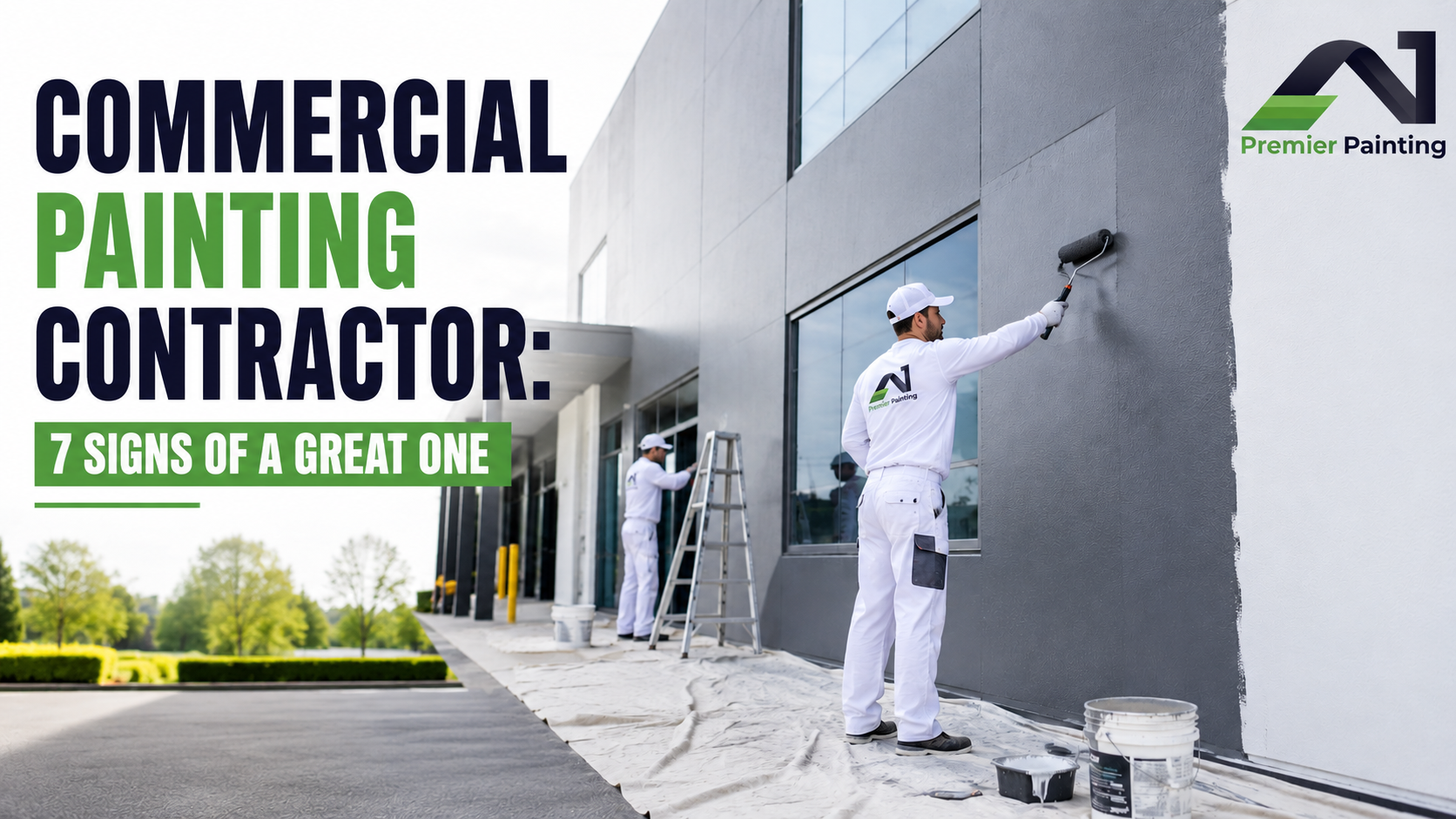
A bad commercial paint job does not just look poor, it costs a business trading hours, disrupts staff, or fails compliance checks down the track. When you are trying to work out how to spot a reliable commercial painting contractor before you sign anything, the real question is not who has the nicest van or the cheapest quote. It is how do you actually tell a contractor who understands commercial work from one who will cause more problems than they solve. Here are seven signs that separate the two, from licensing through to how a job is actually scheduled and run.
Why Hiring the Wrong Commercial Painting Contractor Costs More Than Money
The wrong contractor tends to create two separate kinds of problems. One is operational, disruption to your business and exposure if something goes wrong on site. The other is technical, poor preparation and finish work that only becomes obvious once the paint has already gone on the wall.
Downtime, Disruption and Liability Risk
A contractor who cannot work around your trading or operating hours forces a difficult choice, either you close the doors for the job or you accept staff and customers working around scaffolding and wet paint for days. Missing insurance or the wrong licensing is a quieter risk that only shows up if something goes wrong on site, at which point a business owner discovers the contractor was never properly covered for commercial work in the first place.
Preparation and Finish Problems on Commercial Sites
Commercial substrates behave differently to a domestic wall. Concrete, render and cladding all need preparation methods a residential-only painter may never have used, and skipping that step shows up as early flaking or peeling within a year. On a large open floor plate, an inconsistent finish becomes obvious fast, particularly under fluorescent or downlight office lighting, where roller marks and patchy sheen are far harder to hide than in a dim hallway at home.
Sign 1, Proper Licensing and Insurance for Commercial Work

Licensed commercial painters carry different insurance and compliance requirements to a painter who only works on houses. This includes public liability cover suited to a commercial site, working at heights certification for scaffolding or elevated work platforms, and trade licensing that specifically covers commercial building work. Before signing off on a quote, ask to see this documentation directly rather than taking a verbal assurance. A contractor confident in their compliance will produce it without hesitation, and one who hedges or delays is telling you something worth listening to.
Sign 2, Experience Across Office, Industrial and Retail Environments
Commercial painting is not one single skill set. A contractor needs to adapt to very different constraints depending on the environment, from occupied office floors to large-scale industrial sites, and each type of job calls for a different approach.
Office Painting Contractor, Working Around Occupied Spaces
An office painting contractor working in an occupied building has a different job to one repainting an empty warehouse. Low-odour products matter when staff are at their desks the next morning, and access often needs to happen after hours or on weekends so the workday is not disrupted. A crew that understands how to move through a tenanted office tower without leaving dust on keyboards or paint fumes lingering into a Monday meeting is doing something genuinely different to a standard house repaint.
Industrial and Retail, Scale, Coatings and Downtime
An industrial painting contractor deals with a different set of problems again, large surface areas, specialised coatings for plant and equipment areas, and shutdown windows that need to be planned around production schedules rather than convenience. Retail work sits somewhere in between, with minimal downtime expected and shopfront access that often has to happen before trading hours or overnight. A painter who has only ever worked on residential jobs is not automatically equipped for either of these environments, regardless of how good the finish on a house looks.
Sign 3, A Detailed, Written Scope and Quote
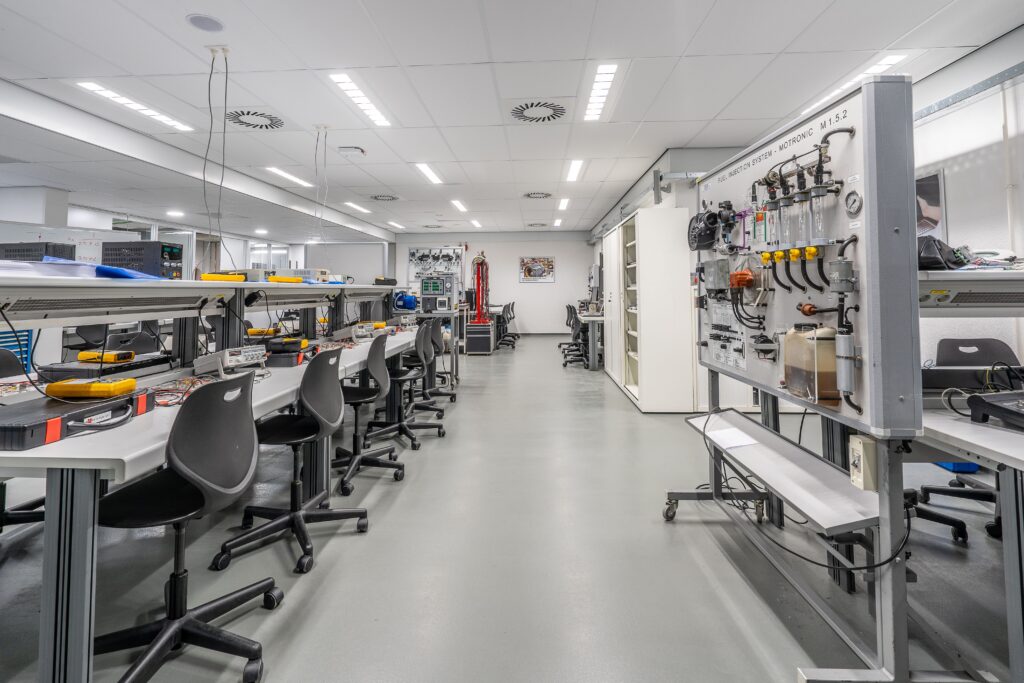
A proper commercial quote sets out the surface preparation method for each area, the product and finish specified by location rather than a blanket description, a realistic timeline, and any access requirements the site has. A vague one-line quote that simply states a total price without breaking down what is included is a warning sign. It usually means preparation work has been left out of the costing, and corners get cut once the job is underway to protect the contractor’s margin rather than your building.
Sign 4, Scheduling That Works Around Your Business, Not the Other Way Around
Commercial building painters who understand staged works can break a large job into sections so only part of a building is affected at any one time, letting the rest of the business keep operating. After-hours or weekend scheduling, and clear communication about shopfront or office access, all signal a contractor who has done this before. A contractor who instead expects a business to simply shut down or navigate around scaffolding and drop sheets for the full duration of the job has not thought through what a commercial client actually needs.
Sign 5, The Right Products and Systems for the Substrate

Different commercial substrates need different products entirely, and using the wrong system is one of the most common and costly mistakes on a commercial site. What works on a domestic wall rarely holds up the same way at commercial scale.
Concrete, Render and Cladding
These surfaces each need a different preparation and product approach, and the wrong choice fails faster on a commercial substrate than the same mistake would on a domestic wall, simply because of the scale and exposure involved. A render crack left unaddressed or a cladding surface coated without the right primer will show problems within months rather than years.
Warehouse Floors and Industrial-Grade Coatings
A warehouse floor line is a good example of where commercial painting services need to look beyond standard wall paint entirely. Forklift traffic, chemical exposure and constant foot traffic call for an industrial-grade coating or epoxy system, not the same product used on a boardroom wall. A contractor who reaches for standard commercial building paint on a trafficked floor is setting the job up to fail within a year.
Sign 6, Clear Communication and a Single Point of Contact
On a larger project, a facilities manager or business owner should have one person to contact for updates, questions and any issues that come up mid-job. Chasing down different tradespeople for answers, or discovering a problem only once it has already affected the schedule, points to a contractor who is not managing the crew properly. A single point of contact who flags issues early, before they become expensive, is a genuine indicator of how the rest of the job will run.
Sign 7, A Track Record on Comparable Commercial Projects

Asking for examples of similar commercial painting services completed, whether that is office fitouts, warehouses, retail strips or body corporate buildings, tells you more than a generic photo portfolio ever will.
What to Ask a Previous Client
If references are offered, ask the previous client whether the job stayed on schedule, whether the site was left clean at the end of each day, and whether the finish has held up under regular use. Those three questions reveal far more than asking whether the client was simply happy with the colour.
What to Expect From a Properly Run Commercial Painting Job
Licensing and insurance should be confirmed upfront, not chased down after work has already started. A scope and product schedule should be provided in writing before any paint goes on a wall, so there is no ambiguity about what has been agreed. Scheduling should be built around your trading hours or operational needs, whether that means staged works, after-hours access, or a weekend timetable, rather than fitting your business around a fixed crew roster.
FAQs
What should I look for in a commercial painting contractor?
Start with proof rather than promises, current licensing, insurance documents, and a written quote that actually breaks down preparation and product by area. If a contractor hesitates on any of that, treat it as a warning sign rather than an oversight.
Do commercial painters need to be licensed and insured?
They do, and the requirements go beyond what a house painter typically carries. Public liability cover suited to commercial sites, working at heights certification, and trade licensing specific to commercial buildings all matter once the scale of the job changes.
How is commercial painting different to residential painting?
The surfaces alone tell you a lot, concrete, render and cladding instead of plasterboard, plus scheduling built around trading hours rather than whenever suits the painter. Commercial jobs also tend to need coatings a residential paint job would never call for.
Can commercial painting be done outside business hours?
Most experienced commercial crews build this into how they quote a job. After-hours, overnight or weekend work is common in offices and retail spaces specifically so staff, customers or production are not disrupted while the work happens.
What is included in a proper commercial painting quote?
A quote worth trusting spells out the preparation method, the product and finish for each area, a realistic timeline, and what access the site needs. A single lump sum with no breakdown usually means something has been left out.
How long does a commercial painting job usually take?
There is no fixed answer, it depends on the size of the building and how much staging is required. What matters more is whether the contractor gives you a genuine timeline upfront rather than a rough guess that shifts once work starts.
What paint is used for industrial buildings and warehouses?
Standard wall paint will not survive forklift traffic or chemical exposure on a warehouse floor. These areas usually need an industrial-grade coating or epoxy system built to handle constant wear rather than a domestic or commercial wall product.
Do I need to close my business during a commercial repaint?
Not necessarily, and this is often where a good contractor makes the biggest difference. Staged works, after-hours access and low-odour products can keep a repaint running in the background without forcing a full shutdown.
How do I check if a commercial painting contractor is reliable?
Ask for licensing and insurance upfront, request a properly itemised quote, and follow up with a past client if references are offered. Whether the job stayed on schedule tells you more than whether the final colour looked right.
What is the difference between an office painting contractor and an industrial painting contractor?
An office job is about working quietly around people, low-odour products, after-hours access, minimal disruption. Industrial work is a different scale entirely, specialised coatings and shutdown windows planned around production rather than a desk schedule.

Getting a commercial property assessed properly means having the scope, product and scheduling confirmed in writing before any work begins, rather than working from a verbal quote or a rough estimate. A1 Premier Painting can walk through exactly what your building needs, from surface preparation to scheduling around your trading hours, before any quote is finalised. Get in touch to arrange an assessment.