
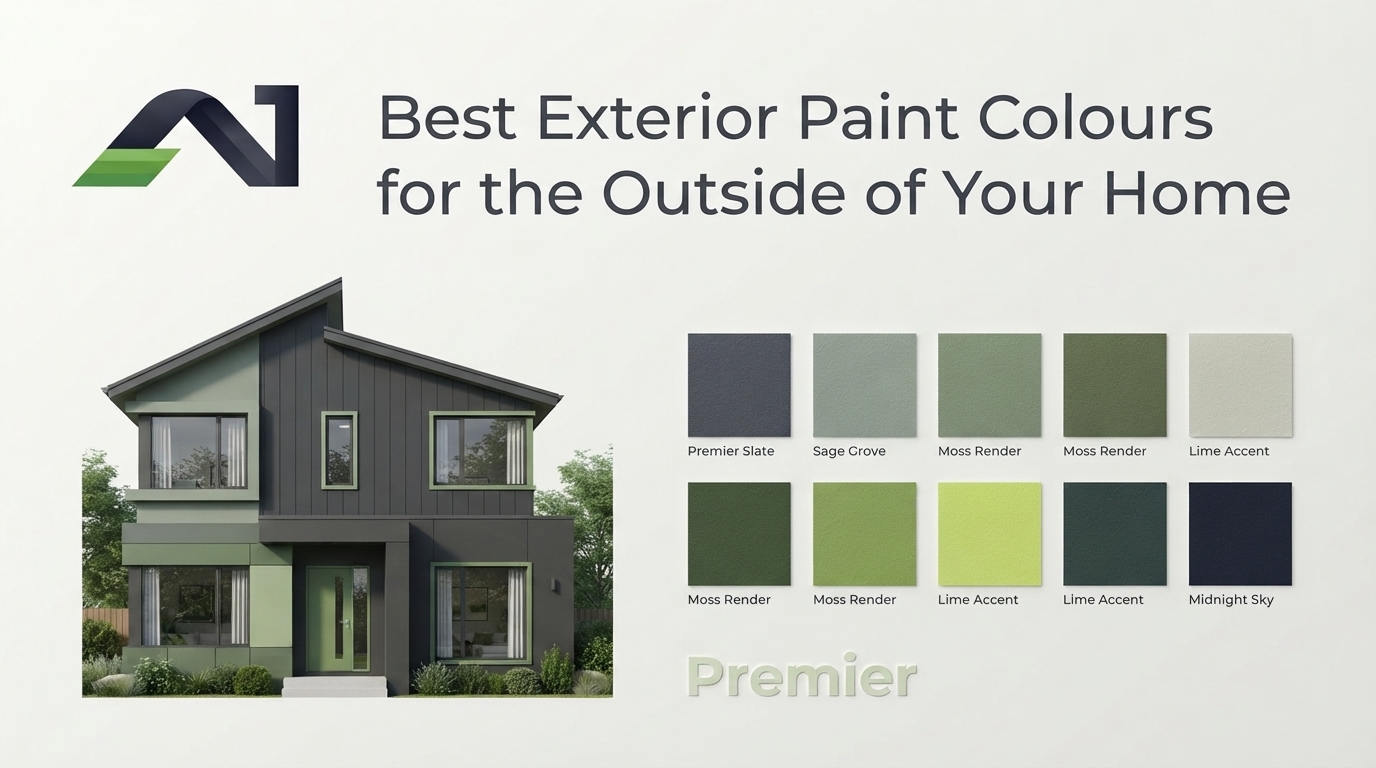
Introduction
Since selecting exterior paint colours involves more than just a favourite shade on a sample, it’s necessary to examine the entire property first. The architectural style, the roof colour, brick and/or rendered walls, window frames, doors, gutters, fencing, driveway and surrounding garden should all play together.
The amount of direct sunlight that your house gets, as well as the desired look, also plays a role. Scale and lighting will affect how a shade appears outdoors as compared to how it appears when used in samples, which is why a colour that looks good on a sample may look different when installed in the real scale that it will be viewed. These elements are fixed, and once worked through, it’s much easier to finalize the outside colour scheme.
Popular Outdoor Paint Colours That Work Across Australian Homes
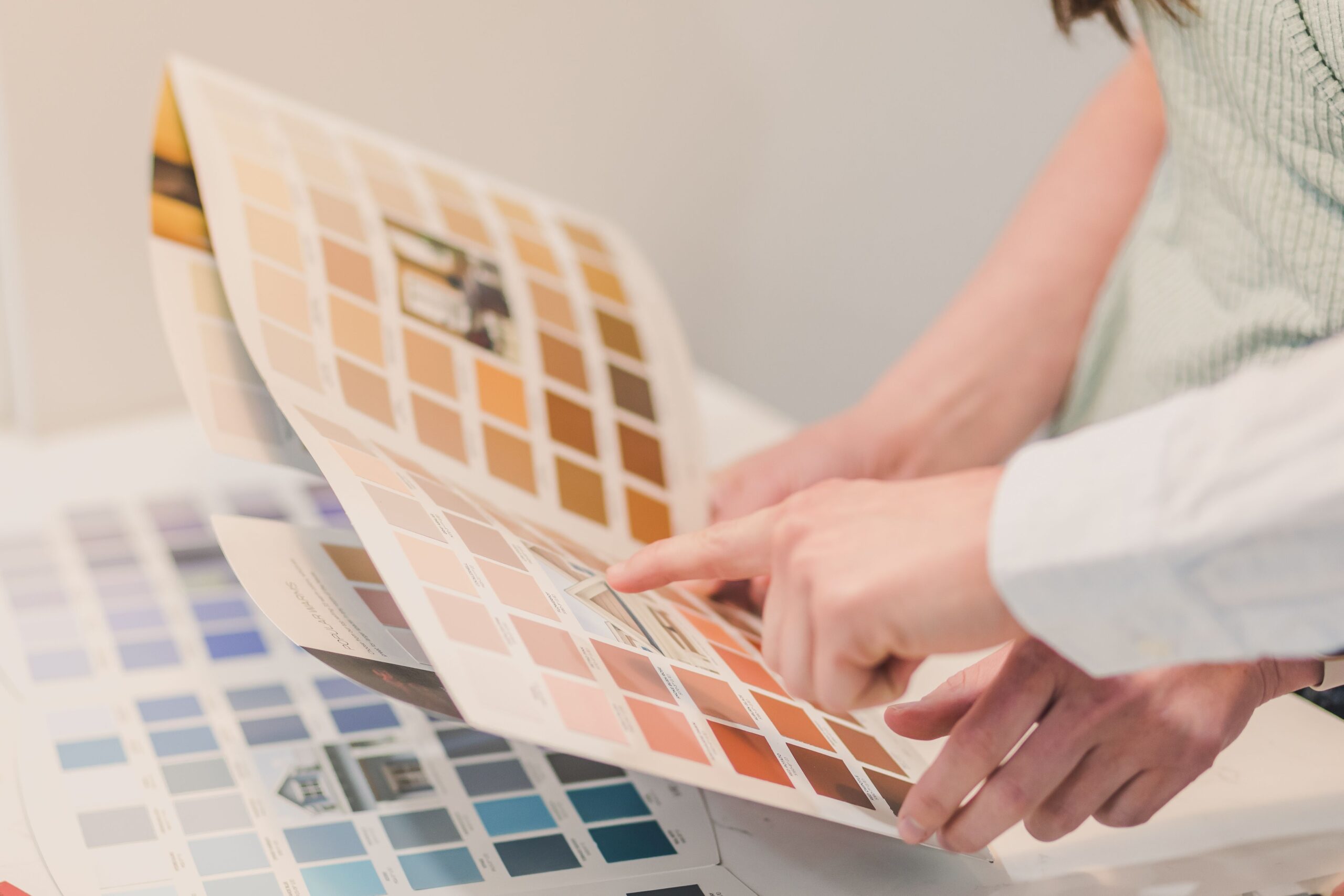
Instead of saying one colour will always be best, it’s helpful to know which exterior paint colours families tend to be good with and why.
Whites and warm whites are good options for many homes and soft greys/carbon blacks for more modern designs. Beige and cream are warm, earthy browns and muted greens match the natural environment, and blue-grey or stone colours will provide a more subdued feel. Families will have different visual impact, so think about the atmosphere you’d like to achieve in a home.
Use warm white to tone down dark roofing in a home, and charcoal for window and door surrounds for contrast.
White and Warm Neutral Exterior Colours
The colours of white and warm neutrals are also popular exterior colours for Australia’s homes and are in use in so many architectural styles. A cool white will feel crisp and modern; a warmer off-white will be muted in the Australian sun, and will often look even more vibrant in the real world than on a paint card.
Warm neutrals are great with terracotta roofs, timber details, natural stone and dark window frames, and enjoy a harmonious balance in landscaped gardens.
Grey, Charcoal and Contemporary Exterior Colours
Exterior paint colours of gray or charcoal can make for a very contemporary look, especially on newer construction. Light grey brings a more subdued look, while dark charcoal really stands out and highlights architectural details such as window lines, roof edges, and such.
If you’re thinking about a darker color, make sure you know the color of your current roof, brickwork and amount of direct sun exposure as dark colors absorb more heat and can fade differently in various amounts of sunlight.
Earthy Greens, Browns and Natural Tones
The muted greens, earthy browns and beige and stone colours can make harmonious gardens and natural surroundings. Not all greens and browns are created equal; muted and natural colors are not the same when it comes to outdoor use as compared to bright and intense shades.
These exterior paint colours are more appropriate for homes which have already been invested in through landscaping or for a more rustic architectural style where the blend in with the environment is more important than standing out.
Exterior Paint Colours Australia: What Works in the Local Climate?
What are the exterior colours that are suitable for Australia? There is no one right answer, as appropriate choices would vary according to the climate, orientation, surrounding materials and exposure of your home.
In addition to rain, coastal exposure, and general dust and dirt, strong sunlight, heat and UV exposure all have an impact on exterior paint colours over time. Shaded walls will hold colour and finish for longer than fully exposed walls as they are exposed to less direct UV damage. Any colour choice must always be made in conjunction with the quality and suitability of the paint system itself, because even if a good choice of colour is made, the paint may fail to perform if the paint system is not suitable for the surface.
How Exterior Wall Paint Changes the Look of a House
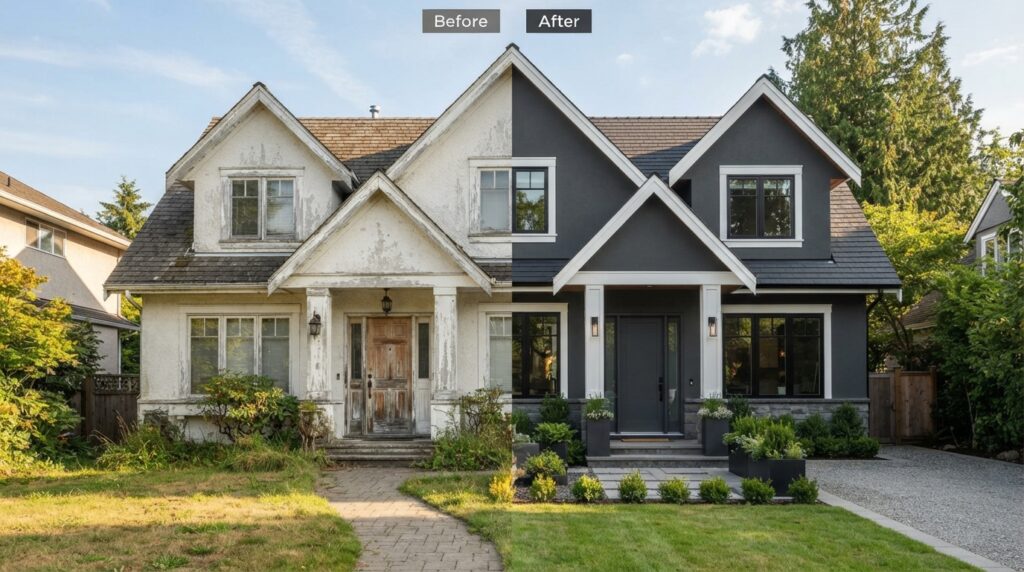
Exterior paint colours can impact what a residence looks like in terms of size, definition or unity from the street.
Light colours are more likely to make a facade look lighter and dark colours are more likely to define window frames and entryways. Contrast with trims – certain features are accentuated while one dominant colour throughout the exterior gives a more cohesive look. Differentiating architectural elements with multiple colours is effective with houses comprising of distinct parts such as a rendered base and a weatherboard upperstorey.
How to Match Exterior Paint Colours With Your Roof, Trim and Doors
The colour of the wall should not be chosen by itself. Some sample exterior paint colour palettes demonstrate how walls, roof, trim and door can be successfully integrated to create a whole house exterior paint colours scheme.
- Charcoal walls with warm white paint, white trim and timber door.
- Grey soft walls, dark grey roof, white trim and deep blue door.
- Cream trim and timber door, beige walls with terracotta roof.
- Soothing green walls with dark roof, warm white trim and natural wood accents.
When deciding on colours, don’t overlook that their combination with undertones can create clash, so try out the entire palette together to see how they work together.
Light, Shade and Undertones: Why Exterior Colours Look Different
When it comes to outside colour, always try it out in the actual conditions as morning, afternoon, direct, shade and cloudy weather can all alter the appearance of a color, so it is best to try it out in the real world before you make a commitment.
Undertones matter too. A grey may have blue, green, beige or purple hues which may be more apparent in the outdoors than in a small sample indoors.
| Condition | What to Check |
| Morning light | How warm or cool the colour appears |
| Midday sun | Whether the colour looks too bright |
| Afternoon light | Whether undertones become stronger |
| Shade | Whether the colour becomes too dark |
| Cloudy weather | Whether the colour loses warmth |
Even testing sample patches on your home, across the day, will always be the best way to avoid an unwanted surprise, when the whole exterior of your home is painted.
Exterior Water-Based Paint: What Homeowners Should Know
While many homeowners find it easier to apply a water-based exterior paint, it is less aromatic than solvent-based paint and dries faster. This is one of the major product decisions for your project along with exterior paint colours.
It is not always suitable for every exterior surface, previous coatings or manufacturer’s recommendations – it’s not always a right fit for your home. When applied according to the manufacturer’s application guidelines, the finish will perform as intended under Australian conditions.
What to Ask Exterior House Painting Contractors Before You Start
When hiring an exterior house painting contractor, you should ask the following questions before you begin:
When you’re ready to go from colour choices to exterior house painting, some of these practical questions let you compare exterior house painting contractors appropriately.
- Before painting is started, what work needs to be done on the surface?
- Which exterior paint would you use for this surface?
- What is the “standard” number of coats needed for complete coverage?
- Will samples of colours be tested directly at the home first?
- What will be done with any existing peeling or damaged paint?
- What is the scope of the quotes?
- What will be done to protect windows, landscaping and areas around windows?
- If the colour chosen doesn’t look the same in reality, what happens then?
By asking these questions, it’s easier to make an informed decision instead of going with a contractor purely on price.
FAQs
What are the most popular exterior paint colours?
One of the most popular paint colors in Australian homes is warm whites, soft greys, charcoal and beige.
What exterior paint colours work best for Australian homes?
This will depend upon the climate of your residence, how much sun it gets, and the colors that are permanently installed in your home such as roofing and brick.
What are good paint colours for outdoors?
Warm white, soft grey and beige are neutral colors that work well with the broadest selection of architectural styles.
Should exterior walls be painted light or dark?
Light colours are ideal for smaller houses or hot wall spaces with a lot of sun exposure, and dark colours are ideal for houses that crave definition.
Is exterior water based paint suitable for a house?
Most frequently yes, but this is dependent on the surface, the previous surface coating and the manufacturer’s recommendations for the particular home.
How many colours should I use on my house exterior?
Two to three colours throughout the house used on walls, trim and doors complement one another for a harmonious style.
Should I test exterior paint colours before painting the whole house?
Yes, it is a good idea to test sample patches in actual outdoor light to prevent problems when the entire exterior is being painted.
How do I match exterior paint with my roof?
Take into account your roof’s undertone, and pick colors for your wall, trim and doors that coordinate with, not clash with, it.
How often should a house exterior be repainted?
The average life of a paint job is 7 to 10 years, depending on the quality of the paint and the amount of exposure and condition of the surface.
Should I hire exterior house painting contractors for a full repaint?
If you are working with something that is larger, or you are having trouble making a colour decision, a professional contractor can assist you in preparation and application.
Final Thoughts on Choosing Exterior Paint Colours
Exterior paint colours are best determined by looking at the property as a whole, not a colour sample. Think colour for roof, brick, windows and landscaping all at once, and, of course, always test colours in a real outdoor light before you buy.
All of these factors contribute to a better result when testing the samples, thinking about the entire exterior system and about the paint system and surface preparation in addition to the colour. Once the planning stage is complete, or if the project feels too large to manage yourself, A1 Premier Painting can help with professional exterior house painting contractors can help prepare and apply.