Introduction
If you have noticed peeling paint, faded weatherboards, or chalky render on your home, you already know the toll Melbourne’s weather takes on exterior surfaces. Residential exterior painting is often mistaken for picking a colour and rolling it on, but the result depends on far more than that. Surface condition, cleaning, repairs, primer, paint selection, weather and the skill of the application all play a part. This guide walks through the full process of residential exterior painting, covers common costs, explains paint choices and helps you choose the right team for the job.
What Is Residential Exterior Painting?
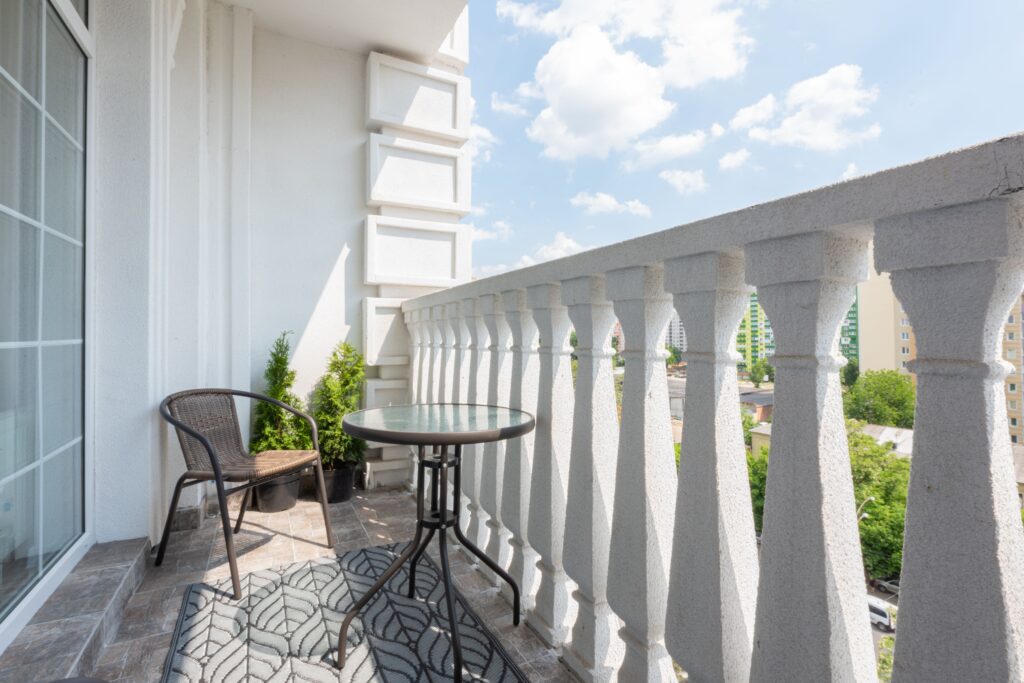
Residential exterior painting is the process of preparing and coating the outside surfaces of a home to refresh its appearance and help protect suitable substrates from everyday outdoor exposure. It covers a wide range of surfaces, and each one behaves differently under paint.
Most Melbourne homes have a mix of:
- Rendered walls
- Brickwork, where painting suits the property
- Weatherboards
- Timber trims and fascia
- Exterior doors and garage doors
Each surface needs its own approach to cleaning, priming and coating. A weatherboard home, for example, often needs more preparation than a rendered wall because timber moves and weathers differently. Good residential painting starts with understanding what you are working with before a single tin of paint is opened.
Why Does Exterior House Painting Need Proper Preparation?
Preparation has more influence on the final result of residential exterior painting than most homeowners expect, and it is the part of residential painting that gets skipped most often. A coat of paint applied over dirt, flaking layers or damp timber will never look right, no matter how good the paint is.
A typical preparation sequence includes:
- Inspecting for damage, movement and existing coating condition
- Washing away dirt, cobwebs and surface contaminants
- Scraping back loose or peeling paint
- Sanding rough areas
- Repairing cracks, gaps and damaged timber
- Treating mould or mildew where it appears
- Priming bare or porous surfaces
- Protecting windows, doors and garden beds before painting starts
Skipping steps shows up quickly. Paint applied over peeling or dirty surfaces tends to bubble, crack or peel again within a year or two, which defeats the purpose of the project.
What Does Residential Home Painting Usually Include?
A well planned residential exterior painting project follows a clear sequence from the first inspection through to the final walk around.
Surface Assessment
Before quoting, a painter should walk the property and check the condition of the existing coating, the substrate underneath and any areas showing damp, rot or movement. This step shapes the whole scope of work.
Cleaning and Preparation
Pressure cleaning removes built up grime, while scraping, sanding and filling deal with damaged sections. This stage takes time, but it sets up everything that follows.
Priming and Painting
Primer helps new paint bond to bare timber, render or previously painted surfaces. Finishing coats are then applied in the number recommended for the paint system and surface type.
Final Inspection
Once painting is finished, a proper check covers coverage, cut in lines around trims and windows, and any missed sections. This final look is what separates a tidy job from a rushed one, and it is a step every residential home painting project should include.
Choosing Colours for Residential House Painting
Colour choice changes how a house reads from the street, and it works alongside the roof, gutters, fascia and existing brickwork rather than against them.
Think about:
- Roof and gutter colour
- Existing brick or stone
- Window frames and doors
- Landscaping and garden tones
- The architectural style of the home
- Neighbouring properties
Most exteriors use three tones: a main colour for large wall areas, a trim colour for fascia and windowsills, and an accent colour for the front door. Soft neutrals and warm off whites remain popular across Melbourne suburbs, though darker trims and black window frames have become common on newer builds. There is not one colour that suits every home, so test sample patches on your walls before committing to a full residential house painting project, since colour decisions carry through the whole residential exterior painting job.
How Melbourne Weather Affects Exterior Painting
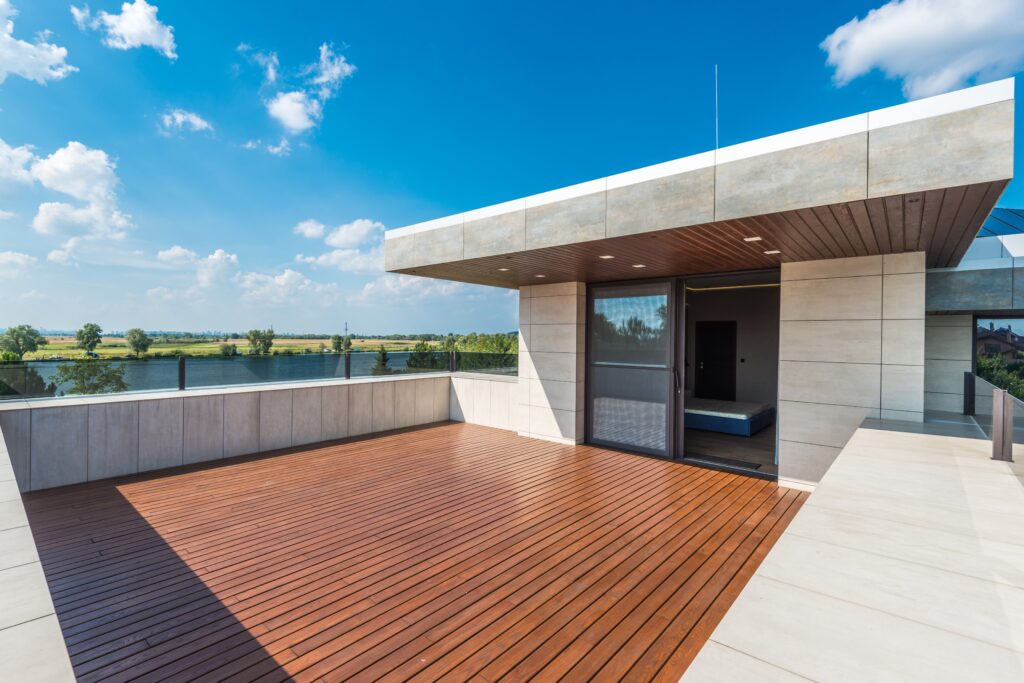
Melbourne’s weather is part of the planning conversation for any residential exterior painting job, not an afterthought. Rain, humidity, strong sun and sudden temperature swings all affect how paint dries and cures.
Painters generally need to consider:
- Rain forecasts, since wet surfaces will not hold paint
- High humidity, which slows drying time
- Strong afternoon sun, which dries paint too fast on north facing walls
- Wind, which carries dust onto wet surfaces
- Overnight temperature drops, which affect curing
Paint should always be applied within the temperature and humidity range set by the manufacturer. On a changeable Melbourne day, that sometimes means starting early, working around a forecast shower or shifting to a different side of the house until conditions settle.
How to Choose the Right Team for the Job
Choosing the right residential painters matters as much as the paint itself, since preparation and application quality are what make a residential exterior painting project last.
What Should You Ask Before Hiring?
Before accepting a quote, ask:
- Is the site inspected before the quote is given?
- What preparation work is included?
- How many coats are planned?
- What paint brand and type will be used?
- Is primer included where the surface needs it?
- Are repairs part of the price or charged separately?
- How will windows, doors and garden areas be protected?
- Is the price fixed or an estimate that could change?
Comparing the scope of work matters more than comparing the bottom line figure. Two quotes for the same house can look very different once you see what is included.
Why Work With a Residential Painting Company?
An established residential painting company typically brings a full process to a residential exterior painting project, rather than just a can of paint and a brush.
That usually includes:
- Project planning and scheduling around weather
- A proper surface assessment
- Preparation carried out to a consistent standard
- Suitable material and primer selection
- Guidance on colour choices
- Careful application and site protection
- A final inspection before sign off
A1premierpainting follows this same process for Melbourne homes, working through each stage so the finished result holds up to the weather it will face.
Residential Painting Melbourne: When Is the Best Time?
There is not one fixed season that suits every residential exterior painting project in Melbourne. Suitable weather and dry surfaces matter more than the calendar date.
Painters generally watch:
- Rain forecasts over the coming days
- Moisture already sitting in the surface
- Daytime and overnight temperatures
- Wind conditions
- How long paint needs to dry between coats
Spring and autumn often offer more settled stretches of weather, but a well planned residential painting Melbourne project can go ahead in other months too, provided the conditions on the day suit the paint being used. Booking ahead gives more flexibility to work around a changeable forecast rather than rushing a job into a narrow window.
FAQs About Residential Exterior Painting
How often should a house exterior be repainted?
This depends on the existing coating, the surface type, sun exposure and how well the last residential exterior painting job was prepared. Rendered homes in sheltered spots might go eight to ten years between coats, while timber homes facing full sun and weather often need attention closer to every five to seven years.
How much does residential exterior painting cost in Melbourne?
Costs vary based on the size of the house, the condition of existing surfaces, access and how much preparation and repair work is needed. A small single storey home in good condition will cost less than a large two storey property with peeling paint and timber repairs. A site inspection is the most reliable way to get an accurate figure for your home.
How long does residential exterior painting take?
Most home exteriors take between three days and two weeks, depending on the size of the house, the amount of preparation required, the number of coats and the weather during the project. Larger or more detailed homes with extensive trim work naturally take longer.
What preparation is needed before exterior house painting?
Preparation usually covers washing the surfaces, scraping back loose paint, sanding rough areas, repairing cracks or damaged timber, treating any mould, priming bare sections and protecting windows, doors and garden beds before painting begins.
What type of paint is best for a house exterior?
The right paint depends on the surface, the existing coating and how much sun and weather exposure the wall gets. Manufacturer recommendations for the specific substrate, whether render, weatherboard or brick, should guide the final choice rather than a single product suiting every home.
Can exterior painting be done in winter in Melbourne?
Winter painting can go ahead during a stretch of dry, mild weather, but rain, humidity and slower drying times need more careful planning. Painters usually watch the forecast closely and may need extra time between coats compared with warmer months.
How do I choose residential painters in Melbourne?
Check that preparation is included in the quote, ask how many coats are planned, confirm the paint brand being used and look at examples of previous work on similar homes. A detailed, itemised quote is usually a better sign than the lowest number on the page.
Should I paint my home’s exterior myself or hire professionals?
DIY painting can suit small, straightforward jobs, but height, access and preparation work make a real difference on a full residential exterior painting project. Professional painters bring the right equipment and experience with different substrates, which often shows in how long the finish lasts.
Final Thoughts
Good residential exterior painting comes down to three things: proper preparation, an honest understanding of what your home’s surfaces need and a clear comparison of what is included in a quote. The cost of a project depends on the size of your home, its condition, access and the repair work required, so it is worth getting a proper inspection rather than relying on a rough guess.
Comparing the full scope of work between quotes tells you far more than comparing price alone. Taking the time to plan a residential exterior painting project properly, from assessment through to the final coat, gives you a better chance of a finish that holds up to Melbourne’s weather for years to come.
Planning residential exterior painting for your Melbourne home? A1 premier painting can inspect your property, talk through suitable preparation and paint options, and put together a quote based on what your home actually needs. Contact the team today to book an exterior painting assessment and find out what is involved before work begins.