
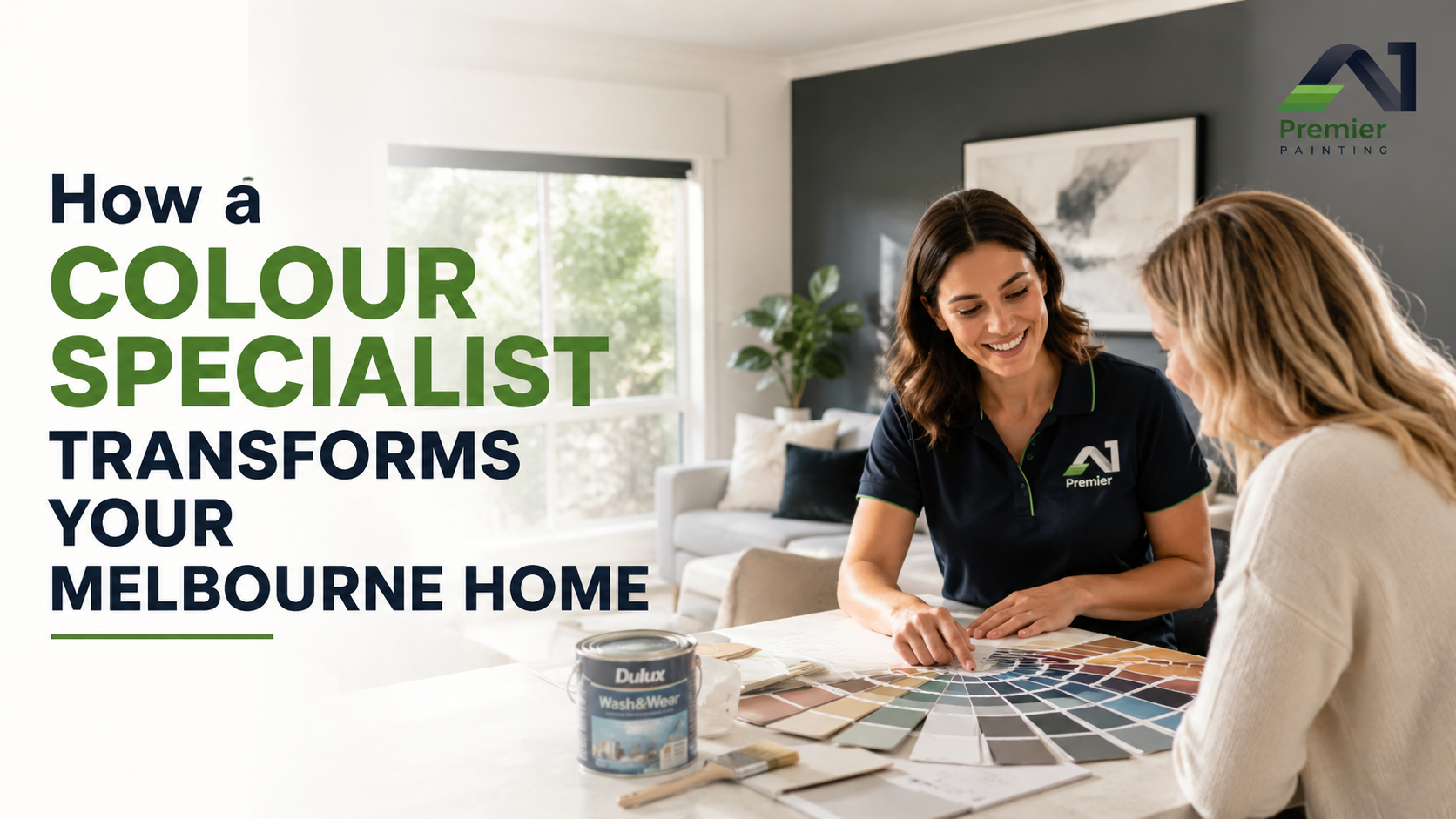
Choosing a paint colour from a small swatch is nothing like living with it across an entire wall. A shade that looked calm and neutral in the shop can turn yellow under afternoon light or feel cold the moment winter sets in. Most homeowners get this wrong at least once, and it usually means a second coat of paint sooner than planned. So what does a colour specialist actually do, and is it worth involving one before you paint? This guide walks through the process, why colour choice affects how a home feels day to day, and how it changes the outcome of a paint job.
What Does a Colour Specialist Actually Do
A colour specialist does not hand you a chart and ask you to point at a favourite. The process is closer to colour consulting, where someone walks through your home, looks at how light moves through each room across the day, checks your existing fixtures and flooring, and considers how one room flows into the next before any shade is suggested. A kitchen bench, a set of floorboards, or even a rug already sitting in the lounge all shape which colours will actually work once the paint dries.
Why Paint Colour Advice Matters More Than Most Homeowners Think
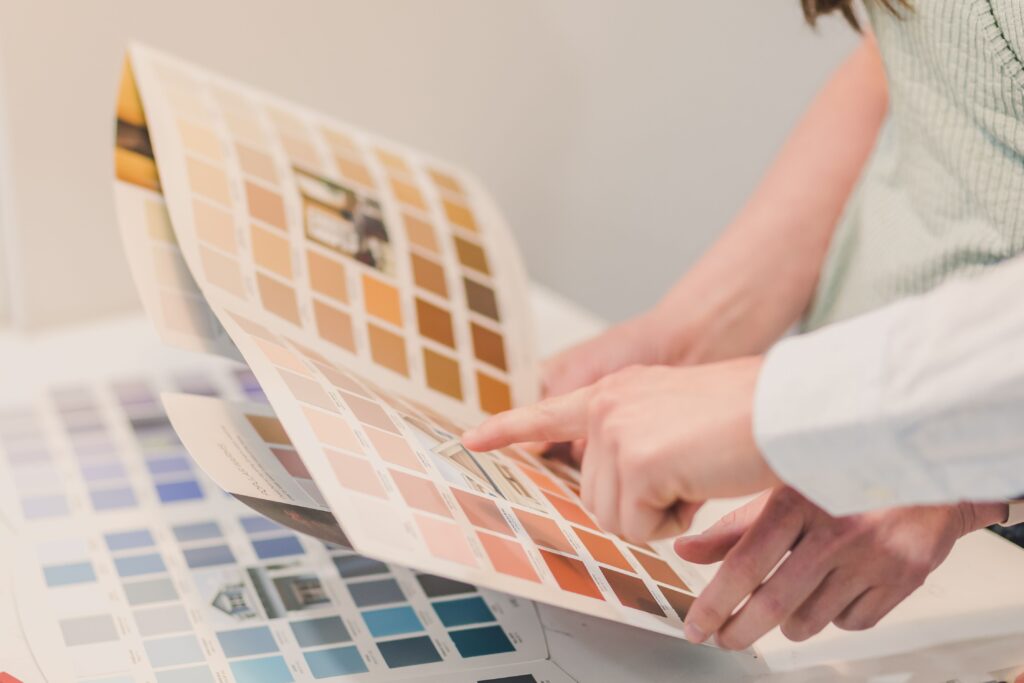
Getting paint colour advice right comes down to two things most people overlook, how light actually behaves in a room across the day, and how colours need to connect from one space to the next rather than being chosen in isolation.
Natural Light and Undertones
The same tin of paint can look completely different depending on which way a room faces. A soft grey in a north-facing living room often reads warmer than expected by mid-afternoon, while that same grey in a south-facing study can lean cold and flat. This is exactly why paint colour advice from someone trained to read undertones matters. A swatch held under shop lighting rarely tells you the truth about how a colour will sit on your own walls.
Flow Between Rooms
A colour that works beautifully in an entryway can clash the moment it meets an open-plan kitchen or hallway. Rather than treating each room as its own decision, a specialist plans the transition between spaces, so the eye moves naturally from one room to the next instead of hitting an abrupt change at every doorway.
The Psychology Behind Colour Choice
Colour psychology for interior design is not an abstract theory lecture, it plays out in ordinary ways. Warm tones in a living space tend to make a room feel more settled and easier to relax in, while cooler tones in a bathroom or home office can help a space feel calmer and less cluttered. A family that spends most evenings in the lounge might lean toward warmer neutrals there, while the same family might choose a cooler, quieter palette for a bedroom used mainly for sleep. None of this is guesswork once someone has walked the property and understood how each room gets used.
What Happens During a Design Consultation
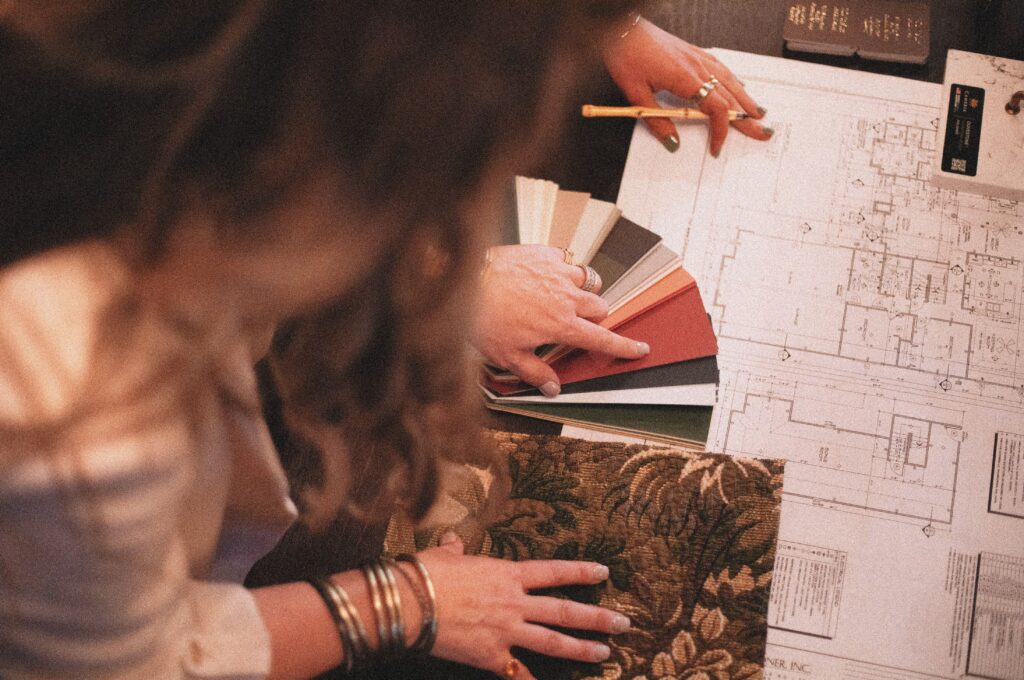
A design consultation generally covers two parts, an on-site look at how your home actually functions, followed by testing real paint samples on your walls rather than relying on a printed chip alone.
On-Site Assessment
A proper design consultation starts with an on-site visit, not a phone call. This means checking how light enters a room at different times of day where possible, and looking closely at existing floors, cabinetry, and furniture that any new colour will need to sit alongside. A home with dark timber floors and warm-toned cabinetry needs a different palette to one with pale floors and cool grey benchtops, even if the two homeowners describe wanting the same general look.
Sample Testing on the Actual Walls
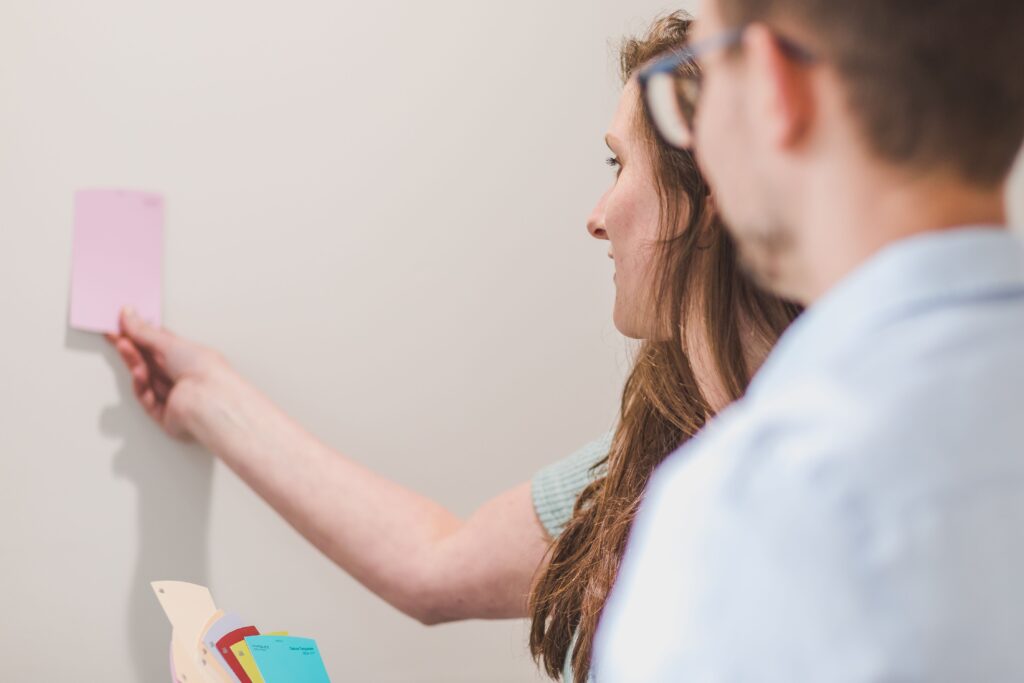
Holding a paint chip up against a wall tells you very little. Testing a sample directly on the wall in question, ideally a patch large enough to view morning and evening, shows how a colour actually behaves once the light changes across the day. A shade that looks perfect at 10am can shift noticeably by dusk, and this is far easier to catch before a full wall is painted than after.
Paint Colour Specialist vs Picking a Colour Yourself
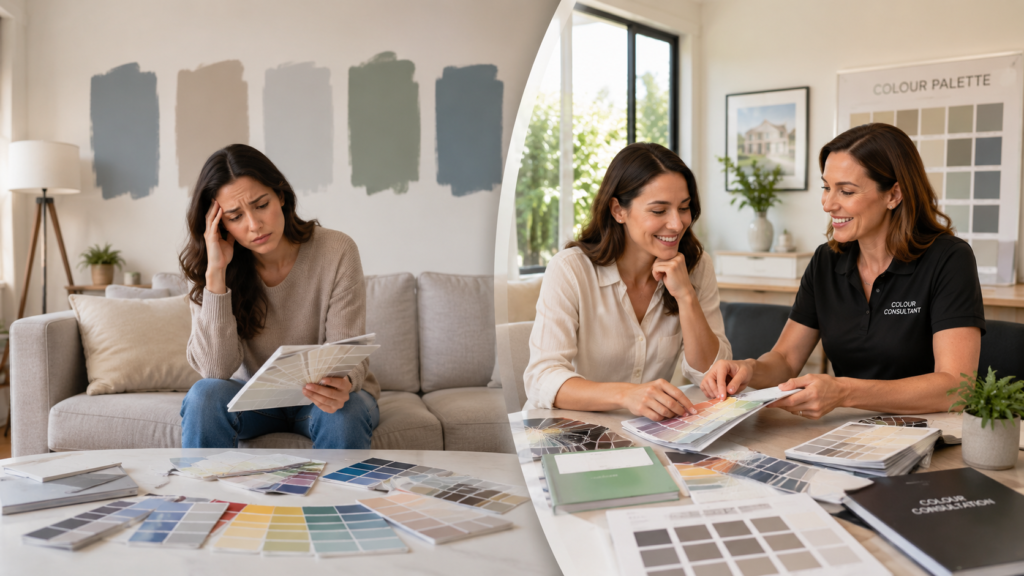
Picking a colour off a chart at home and working with a paint colour specialist are two very different processes, and the difference usually shows up later rather than immediately. A homeowner guessing alone is working from a small printed sample and hoping it translates to a full room. A specialist accounts for the room’s lighting, the finishes already in place, and how a colour will age over the next few years as trends shift and surfaces wear. The upfront cost of getting advice is usually smaller than the cost of a repaint two years later because a colour never sat right in the first place.
How A1 Premier Painting Approaches Colour Consulting
Before any colour is finalised, the process starts with an on-site assessment of the home rather than a generic recommendation. Samples are tested directly on the client’s own walls, not just held up on a chip, so you can see how a shade behaves in your actual light. Advice is given alongside a practical view of how the finish will hold up over time, so the choice made now still makes sense in a few years.
FAQs
What does a colour specialist do? A colour specialist assesses a home’s lighting, existing finishes, and room flow before recommending paint colours, rather than suggesting shades without seeing the space first.
How much does a colour consultation cost in Melbourne? Costs vary depending on the size of the home and scope of advice needed. Many painting companies bundle a consultation into a full repaint quote rather than charging separately.
Why does the same paint colour look different in different rooms? Natural light, room orientation, and existing furnishings all affect how a colour reads. A shade can look warm in one room and cool in another purely due to lighting differences.
Is a design consultation worth it for a small paint job? Yes, even a single room benefits from checking how light and existing finishes interact with a chosen colour, since a poor match still means a repaint regardless of room size.
How does colour psychology affect interior design choices? Warm tones tend to make living spaces feel more settled, while cooler tones can help workspaces or bathrooms feel calmer. Matching tone to room use improves how a home feels daily.
Can a colour specialist help with an existing colour scheme, not just a new one? Yes, a specialist can assess an existing palette and suggest adjustments or complementary shades for new areas, rather than only working with fully blank walls.
How long does a colour consultation usually take? Most consultations take one to two hours, depending on the number of rooms and how much of the home needs assessing for light and existing finishes.
Should I test paint samples on the wall before committing? Yes, testing a sample directly on the wall, viewed across different times of day, gives a far more accurate result than judging a small chip under shop lighting alone.
If you are staring at swatches and getting nowhere, a proper colour consultation can save you from a repaint down the track. A1 Premier Painting offers on-site assessments that look at your home’s lighting and existing finishes before any colour is locked in, so book a consultation and see how a colour specialist can help you land on the right palette before a single tin of paint is opened.