

Introduction
A deck that once hosted weekend barbeques or client meetings can turn grey, patchy and slippery faster than most property owners expect. If yours is looking tired, the good news is that it’s usually fixable; you don’t automatically need a replacement.
This guide walks through why Melbourne decks weather the way they do, how to clean and prepare timber properly, and what separates a rushed paint job from proper deck painting Melbourne property owners can rely on for years. Whether you’re weighing up a DIY weekend or comparing quotes from professionals, you’ll come away knowing exactly what “done properly” looks like.
Why Melbourne Decks Take a Beating
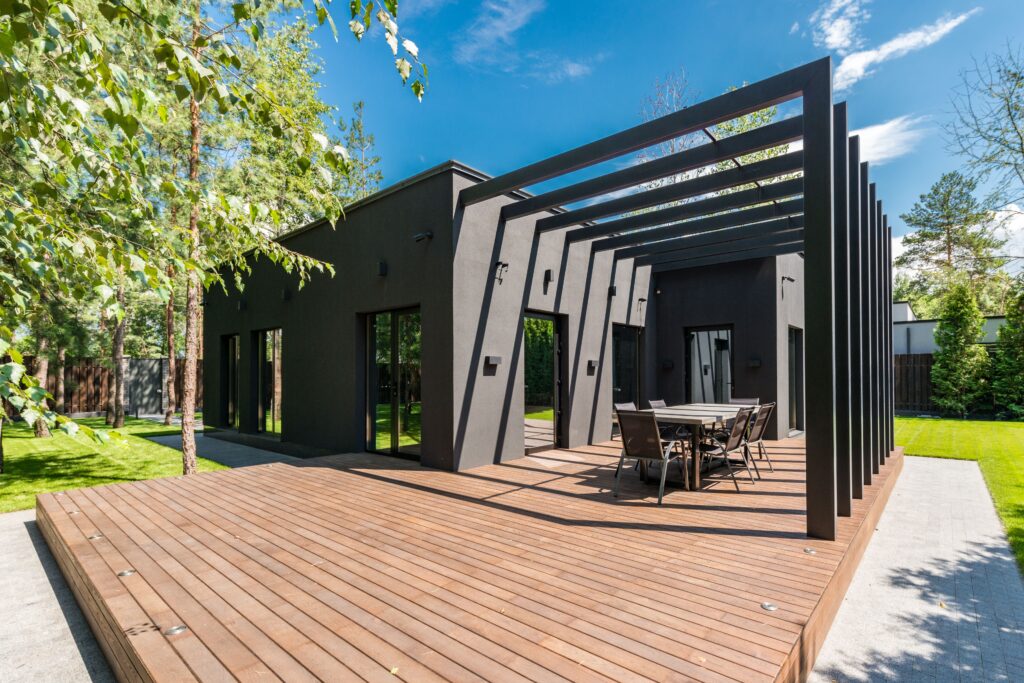
Melbourne’s weather is famously changeable, and that’s precisely what makes exterior timber such hard work to maintain. Summer brings intense UV exposure that breaks down timber fibres and fades pigment. Winter swings the other way, with damp, cold conditions that let moisture creep into unsealed or cracked timber. Add the city’s habit of shifting between hot, dry stretches and sudden rain within the same week, and you get timber that’s constantly expanding and contracting.
That movement is what causes cracking, splintering and paint that lifts at the edges. Left unaddressed, trapped moisture also encourages mould and, eventually, rot in the boards themselves. None of this happens overnight but it compounds. A deck that gets a protective coat every few years tends to age gracefully. One that’s ignored usually needs far more extensive (and expensive) work down the track, whether that’s sanding back to bare timber or replacing boards altogether.
Signs Your Deck Needs Attention
Cosmetic Wear vs Structural Damage
Not every tired-looking deck needs the same response, so it helps to know what you’re actually dealing with before deciding on paint, stain or repairs.
Cosmetic wear usually looks like:
- Fading or a grey, weathered appearance
- Peeling, cracking or flaking paint
- Surface dirt, mildew or algae staining
This kind of wear is almost always paintable once the surface is properly cleaned and prepared.
Structural damage is a different matter and includes:
- Soft or spongy patches when you press on a board
- Boards that flex, lift or feel loose underfoot
- Visible rot, especially around joints and fixings
A simple check is to walk the deck slowly and press firmly on a few boards, particularly near the edges and any spots that stay damp longer than the rest. If a board gives way under light pressure, that’s a repair job before it’s a paint job.
How to Clean Your Deck Before Painting
Paint only lasts as long as the surface underneath it is properly prepared, so this step matters more than most people expect. A wood deck cleaning service will follow roughly the same sequence a careful DIYer should use:
- Clear the deck completely. Remove furniture, pot plants and any debris caught between boards.
- Sweep thoroughly, paying attention to gaps between boards where leaves and grit tend to build up.
- Pressure wash carefully. Too much pressure can gouge softwood or strip fibres, so use a moderate setting and keep the nozzle moving.
- Treat mould and mildew with a suitable outdoor cleaner rather than scrubbing alone, since mould left in the timber’s grain can bleed through a new coat.
- Sand rough or flaking areas to create a smooth, even surface for the new coating to bond to.
- Let the timber dry fully at least a day or two in good weather before applying anything. Painting over damp timber is one of the most common reasons a coating fails early.
If the deck is large, heavily soiled, or you simply don’t have a free weekend, this is where a professional decking cleaning service earns its keep. Getting the prep right is genuinely the difference between a coating that lasts and one that starts lifting within a season.
Paint or Stain? Choosing the Right Finish
This is the decision most people get stuck on, and there’s no single right answer; it depends on the look you want and how much upkeep you’re willing to do.
Deck paint forms a solid, opaque layer that hides the timber’s natural grain and existing imperfections. It’s a good option for older decks with uneven colouring or repaired sections, since it gives a uniform finish. The trade-off is that when paint eventually fails, it tends to peel and needs full stripping back rather than a simple top-up.
Deck stain soaks into the timber rather than sitting on top of it, so the natural grain stays visible. Stains generally need reapplying more often than paint, but touch-ups are easier because there’s no film to strip first.
For Melbourne’s climate specifically, look for a coating that’s genuinely rated for UV resistance and exterior use, not just a general-purpose exterior product. Anti-slip additives are worth considering too, particularly for shaded areas that stay damp or for decks that see regular foot traffic. It’s also worth knowing that darker colours absorb more heat, which can make a deck noticeably hotter underfoot through summer and may cause the coating to fade faster than a lighter tone would.
What Proper Deck Painting Involves
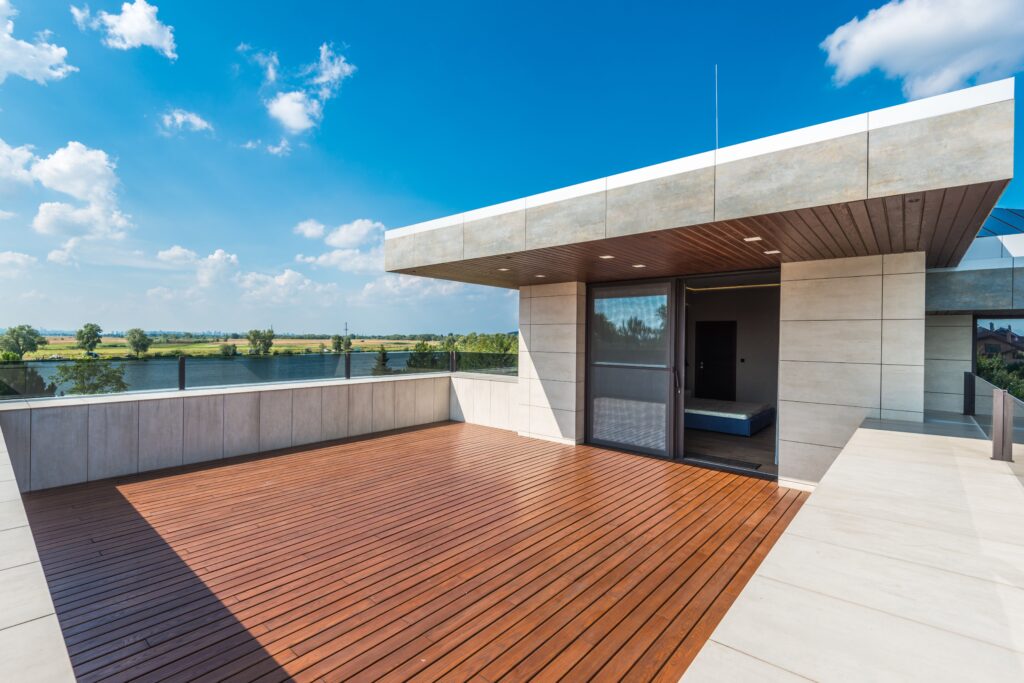
Whether you’re doing it yourself or bringing in help, a coating job that’s actually going to last follows a consistent sequence:
- Inspection first. Check for rot, loose boards or fixings that need attention before anything is painted over.
- Full cleaning and preparation, as covered above this is where most of the real work happens.
- Repairs, if needed, to any damaged boards, screws or joints.
- Priming, where the product calls for it, to help the topcoat adhere and last.
- Even application of the chosen paint or stain, usually in at least two coats for proper coverage and durability.
- A final check once everything’s dry, to catch any missed spots or thin patches before furniture goes back on.
Skipping steps to save time is exactly why so many deck paint jobs fail within a year or two. The finish coat is really the last five minutes of a job that’s mostly about preparation.
DIY vs Hiring a Professional
A small, structurally sound deck in reasonable condition is a genuinely doable DIY project if you’ve got a free weekend, the right equipment and some patience with the prep work. It’s also a fair way to save on cost for a straightforward job.
Where it makes more sense to call in a professional:
- The deck is large, or access is awkward
- There’s visible damage, rot or uncertainty about the timber’s condition
- You want the job done once, properly, without redoing it in twelve months
- Time is the constraint, not budget
There’s no shame in either choice it genuinely comes down to the size of the job and how much time and confidence you have to do the prep work properly.
Deck Maintenance in Melbourne: Keeping It Looking New
Painting a deck isn’t a one-off fix you can forget about. Ongoing deck maintenance in Melbourne is what actually protects the investment you’ve made, whether that’s your own weekend labour or a professional job.
Simple habits go a long way between full repaints:
- Sweep regularly to stop debris and moisture sitting in gaps
- Wipe up spills before they soak into unsealed patches
- Check for early signs of wear each season, especially after winter
- Reapply a protective topcoat if you notice the surface starting to dull, well before it peels
Treating deck care as an ongoing routine rather than a once-every-five-years emergency tends to cost less overall and keeps the timber in far better condition long term.
Deck Painting for Commercial Properties and Offices
Outdoor decks on commercial properties think office breakout areas, café alfresco spaces or shopfront entries carry a few extra considerations that a private backyard deck usually doesn’t.
Safety is the big one. A deck used by staff, customers or clients needs a surface that stays reasonably grippy when wet, which makes anti-slip coatings worth discussing as part of any deck services Melbourne businesses arrange, rather than treating them as an optional extra.
Scheduling matters too. Painting is disruptive by nature there’s wet paint, drying time, and equipment underfoot so commercial jobs often need to be planned around quieter periods, after hours or over a weekend to avoid interrupting staff or customers. A1 Premier Painting works across both residential and commercial projects and can talk through timing that fits around your business rather than the other way round.
Frequently Asked Questions
How often should a deck be repainted in Melbourne?
It depends on the coating, sun exposure and foot traffic, but most decks benefit from a fresh protective coat every few years. Checking annually for early signs of fading or peeling helps you catch problems before a full strip-back is needed.
Should I paint or stain my deck?
Paint suits older or uneven decks where you want a uniform, opaque finish. Stain suits decks where you’d like the timber grain still visible. Both need proper cleaning and preparation to last.
How do I clean a deck before painting it?
Clear the surface, sweep thoroughly, pressure wash carefully, treat any mould, sand rough patches, and let the timber dry completely before applying any coating.
Can a damaged or rotting deck still be painted?
Cosmetic wear like fading or peeling paint can usually be repainted after proper prep. Soft, spongy or rotten boards need to be repaired or replaced first painting over structural damage only hides the problem temporarily.
How long does professional deck painting take?
Timing depends on the size of the deck, its condition, and drying time between coats. A site assessment is the most reliable way to get an accurate timeframe for your specific project.
Do commercial or high-traffic decks need special coatings?
Anti-slip additives are worth considering for decks used regularly by staff or customers, particularly in shaded or damp-prone areas. This is a good thing to raise when discussing deck painting Melbourne businesses are planning.
Can deck painting be scheduled around business hours?
Yes commercial deck painting can typically be planned for quieter periods, after hours or weekends to minimise disruption. It’s worth discussing your preferred timing upfront when requesting a quote.
Final Thoughts
A deck that’s lost its shine isn’t usually a lost cause it’s a maintenance job that got left a little too long. Proper cleaning, the right choice between paint and stain, and coatings suited to Melbourne’s UV and rainfall patterns will get most decks looking new again, whether you tackle it yourself or bring in professional help. For anyone weighing up their options, understanding what genuine deck painting Melbourne conditions call for is the first step toward a finish that actually lasts, rather than one that needs redoing next season.
If your deck at home or at work needs a proper assessment, A1 Premier Painting offers free, no-obligation quotes for residential and commercial projects across Melbourne. Call 0421 873 635 to talk through what your deck needs.