Introduction
Until people begin to experience the preparation, colour selection, old paint, and budgeting aspects of interior house painting, the job can seem like a normal weekend project. There are a number of variables that influence the wall condition of Melbourne homes, such as the age of the property, the type of previous renovations, the amount of moisture exposure and paintwork, and on the next wall, it can be a much simpler task. Before embarking on a project that involves an interior house painter, it makes sense to find out what the most common issues are so that there are no needless expenses or dismal outcomes. Below are seven problems that often present themselves in Melbourne houses.
1. Choosing the Right Colours for Your Home
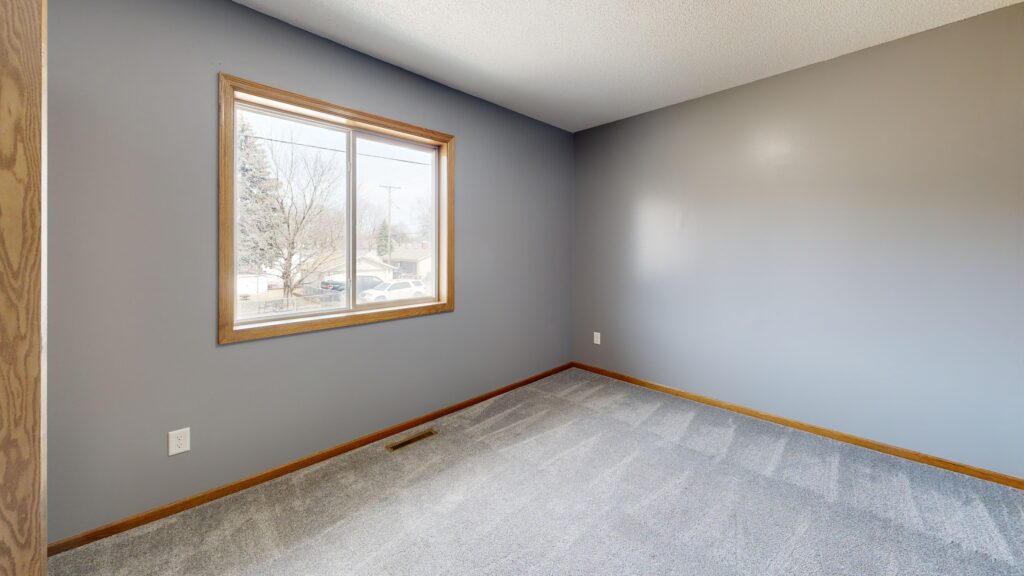
Choosing a colour from a paint chart is easy. The next thing that makes interior house painting tricky is when you want the colour to look great on the walls in your real space, as lighting and space affect the way a colour looks once it is on the walls. Both natural and artificial light alter the appearance of colour, and a colour that appears warm and inviting in the showroom can appear flat or cold once it is in a wall at home.
The size of the room also comes into play, as darker shades will help make small rooms appear smaller, and lighter hues will make rooms feel larger. All the materials that are already in place have an impact on the outcome whether it be the existing floor, the furniture, or the ceiling colour as well as the finishing you opt for, either matte or low sheen or semi-gloss. As the light changes throughout the day, some warm and cool tones have different characteristics when applied against the natural light of Melbourne.
Test Your Interior Paint Colours Before Painting
Test sample colours directly on the wall, before deciding on an entire room! Draw a patch in several places, such as near a window, and in a darker corner on the floor and in the different lights throughout the day and see if it changes color. If the color comes up different than you thought, this one move in house painting will save you the entire expense of repainting your interior house, and it’s a habit to adopt in all your house painting projects.
2. Preparing Walls Before Interior House Painting
The most important things that can impact the end result of the paint job is its preparation, and it is most likely the part that the homeowner wants to rush through. Typical tasks involved in preparation are:
- Cleaning dirty or greasy surfaces
- Filling holes and dents
- Repairing cracks
- Sanding rough areas
- Removing peeling paint
- Fixing damaged plaster
- Priming repaired sections
- Protecting floors, furniture and fittings
If any of these steps are missed, there will be noticeable imperfections in the paint after it is applied, poor paint adhesion, and an uneven surface that will be apparent under some lighting. In fact, the painting of the inside of a house relies heavily on this step, and many homeowners are not aware of the importance of this step.
3. Dealing With Old, Damaged or Uneven Walls
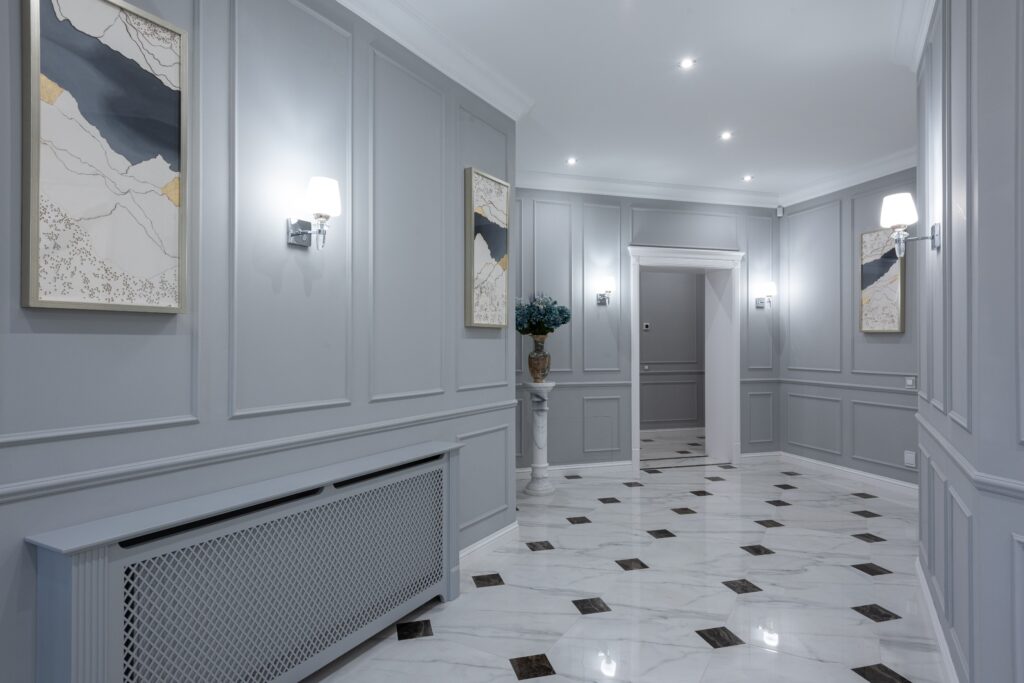
The following problems are prevalent in interior painting projects undertaken in older Melbourne suburbs, especially when there has been several owners and paint applications to the house over the years. Issues include:
- Peeling paint in spots.
- Cracks around doorways and ceilings are hairline or less than 1/16 inch wide
- Holes left in nails by previous fixtures or artwork
- Dull, patchy surfaces due to previous patchy applications
- Water stains are evidence of previous leaks.
- Poorly prepared paintwork in the past that was not completed properly.
- The use of different textures on the same wall
When Repainting a House Interior Requires Extra Preparation
Before any interior house painting in Melbourne can commence, older properties, especially weatherboard and older brick houses, will require additional preparation as compared to recently renovated properties. The amount of work needed for the interior of the house to be repainted in these homes can include a greater amount of crack repair, plastering and priming, and can impact the total time required for the job as well as the total cost of the project. This is something that should be taken into consideration at the beginning of a side and not at the middle.
4. Understanding How Much Interior Painting Really Costs
Interior house painting costs vary depending on the job, so there is no specific number that will apply to every home. This is one of the most frequently asked questions by homeowners prior to hiring a company for interior house painting. Key factors include:
- Number and size of rooms
- Wall and ceiling condition – The condition of the walls and ceiling.
- Level of preparation needed
- Paint quality
- Number of coats
- Doors, skirting boards and architraves
- Access and furniture to be moved
- Prep work to be done before beginning paintwork
What Is the Interior Paint Cost Per Room?
Quoting by room can also be deceptive as rooms come in all sizes, all different wall states and require different preparations. Rooms are all the same, and a small room in good condition will be cheaper to paint than a large room, say a living room, with cracked plaster and high ceiling, for instance. Interior paint costs are most properly thought of as a total cost of an interio.
Cost to Paint 3 Bedroom House Interior
When it comes to painting inside a 3 bedroom house interior property in Melbourne, the price will depend on all of the considerations that apply to any interior house painting project, and multiplied by the number of bedrooms. The total will vary depending on wall condition, ceiling height, trim detail, number of coats and amount of work the room requires. It is not advisable to seek out one universal rate, but it is better to obtain a quote for the specific condition of your home.
5. Getting a Consistent Finish Across Different Surfaces
So many Melbourne homes are a mix of surfaces under the roof, and having uniformity of colours throughout the house is not a simple “one paint all” type of design. This is one of the technical aspects of painting your home’s interior, as every surface reacts differently. Some surfaces to consider are:
- Plasterboard
- Rendered walls
- Previously painted surfaces
- Timber trims
- Doors
- Ceilings
- Repaired sections
- Areas with different levels of surface porosity
All of these differ in their ability to absorb and retain paint. The right preparation and paint system for each surface is the key to achieving a uniform finish as opposed to patchy or inconsistent at the end of the job.
6. Keeping Interior Painting Affordable Without Cutting Corners
Low-cost interior paint work does not imply that the steps taken towards its durability are not taking place, nor does it mean that the quality of interior house painting is not up to scratch. There are practical solutions for budgeting that will yield results –
- We prioritised the high-use rooms first and then the bedrooms and lounge.
- Preparing everything prior to the onset of painting.
- Careful selection of colours to prevent costly changes later on.
- Shopping around for detailed quotes, not just headline prices!
- Inquiring about the exact preparations
- Eliminating unnecessary complicated finishes
- When it is possible, design numerous rooms in a single project.Design several rooms as a single project when feasible.
In the long run, the lowest quote isn’t always the lowest cost, if there’s been significant preparation work missed. A slightly higher quote that has a proper preparation can possibly be a better value than a cheap quote that will require redoing within a year or two. .
7. Finding the Right Interior Painting Team
When searching for painters for a interior house painting job in the interior, seek out the following:
- Clear, written quotes
- Detailed information about preparation work
- The desired number of coats to be applied.
- Use of paint brand and finish.Use of paint brand and finish.
- How they will protect floors and furniture.What their plan will be for protecting floors and furniture.
- Clear project inclusions
- A realistic timeframe
- Must have some experience of interior painting.
- Excellent communication during the task.
Don’t compare prices, ask questions first! Homeowners who ask the right questions at the outset of an interior house painting project are more likely to be satisfied with the results they receive, and A1 Premium Painters has seen the difference a thorough job preparation and scope of work makes in the job’s outcome.
Frequently Asked Questions
1. How much does it cost to paint a house interior in Melbourne?
Interior house painting cost depends on the number of rooms, wall condition, preparation needed, paint quality and the number of coats. The best estimate is provided by a detailed, on-site quotation.
2. How much does it cost to paint a 3 bedroom house interior?
The pricing is variable and depends on the size of the room, the wall condition, the height of the ceilings and the level of preparation for each room, and needs to be determined on a case by case basis.
3. How often should you repaint a house interior?
It depends on the quality of the paint, previous preparation, wear and use of each room. Rooms that have a higher rate of use may require repainting sooner than other areas.
4. What is included in professional interior house painting?
Usually the interior house painting work includes the preparation of surfaces, repairs, the number of coats of paint agreed upon on walls, ceilings and trims and protection of the floor and furniture.
5. Is professional interior painting better than DIY?
Professional painters prepare the surface and apply the paint evenly, correctly, and experience from one surface to the next, which can lead to a longer-lasting finish than a do-it-yourself house painting project might yield.
6. What affects the interior paint cost the most?
Typically, preparation is the most significant factor, the room size, wall condition, paint quality and number of coats are next.
7. Can I get affordable interior painting without compromising quality?
Of course, by considering rooms and comparing detailed quotes and finding out exactly what’s covered in the preparation rather than going with the lowest headline price.
8. How long does inside house painting take?
These will vary depending on the number of rooms, how much preparation is needed for each room, and drying time between coats, making a simple job potentially days, and a larger job longer.
9. Do walls need to be repaired before repainting a house interior?
Yes, cracks, holes and damaged plaster should be fixed first – as the painting will not look good over it and it may reduce the length of time required to complete an interior house painting job.
10. How can I get an accurate interior house painting quote?
The best estimates are made during an on-site visit where the condition of your walls, number of rooms and preparation requirements are considered.
Ready to paint Your Melbourne Home?
Planning interior house painting in Melbourne? Estimates of cost are rarely accurate so don’t get it out of your system, as each house has its own combination of wall condition, room quantity and prep work which can make a difference in the final valuation. A1 Premium Painters can come out and look at your walls, ceilings and trims, and determine exactly what preparation will need to happen before they can give you a clear and detailed quote. That implies no guesswork or hidden surprises when the job is done.
If you’re looking to repaint one room or your entire home, give the team a call to discuss your project and get an estimation of how much your interior painting job will cost.